Rubio on Starshield: Ukraine has no access, talks go on
The U.S. Secretary of State says the military version of Starlink is not available to Kyiv, and tells Zelensky the speed limit on Ukraine's front was not deliberate.
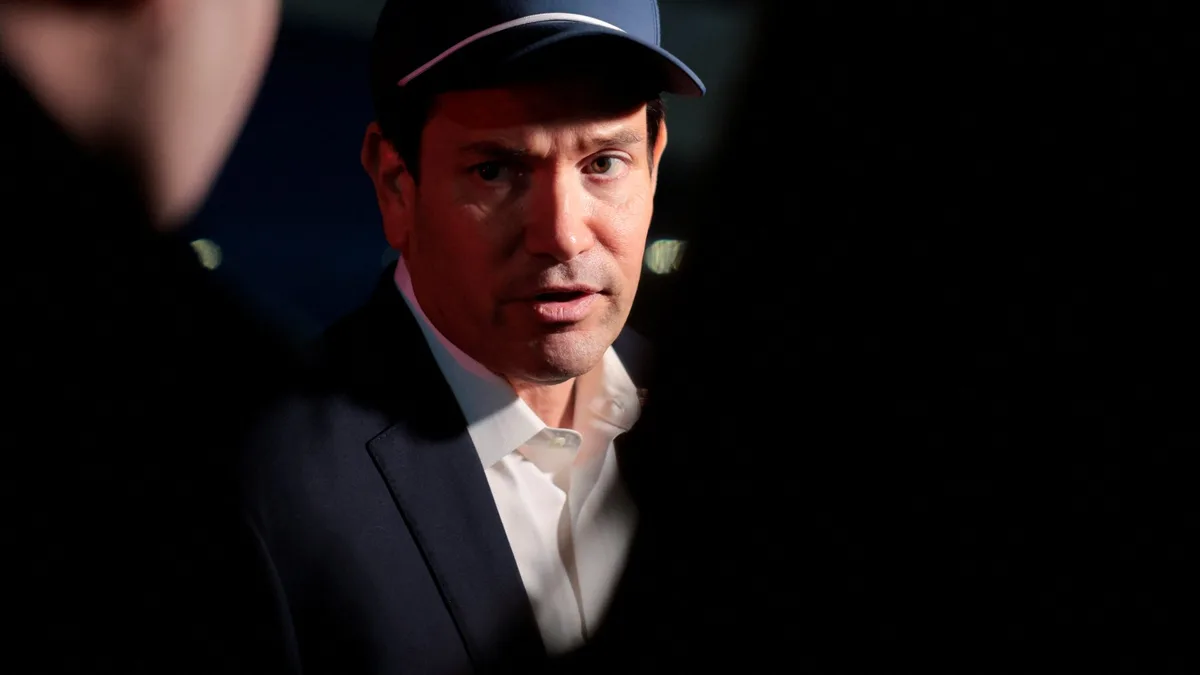
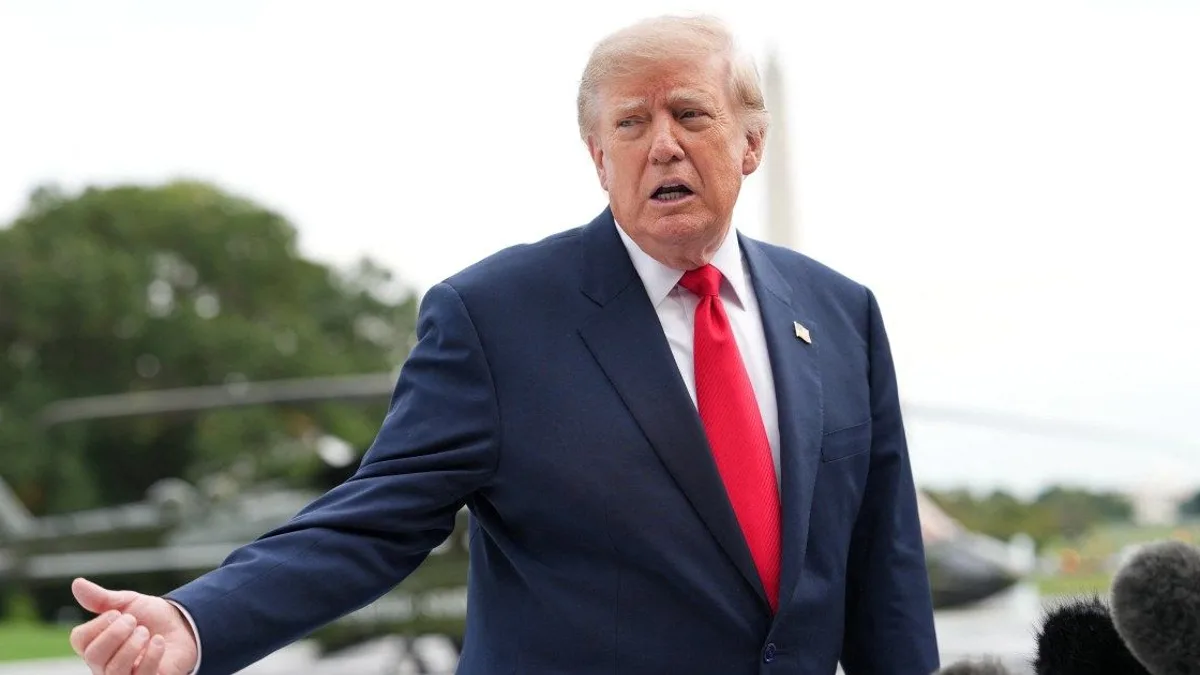
U.S. Secretary of State Marco Rubio said on Saturday, October 17, that Ukraine currently has no access to Starshield, the military satellite network that grew out of Starlink, and that Kyiv’s request is under discussion. In the same remarks he rejected a claim by Ukrainian President Volodymyr Zelensky that the limit on commercial Starlink over the Ukrainian front was introduced on purpose. The statements were published by the U.S. State Department, and Rubio made them to reporters at Andrews Air Force Base in Maryland.
The dispute over satellite connectivity comes as Washington and Kyiv also diverge on sanctions against Russia. We reported earlier on Trump’s suspension of sanctions that, under a law signed last month, were due to take effect within days. Both Democrats and Republicans criticized that move, and on Saturday Zelensky again said that easing pressure on Moscow only encourages Vladimir Putin to keep attacking.
What is Starshield and why does Kyiv want it?
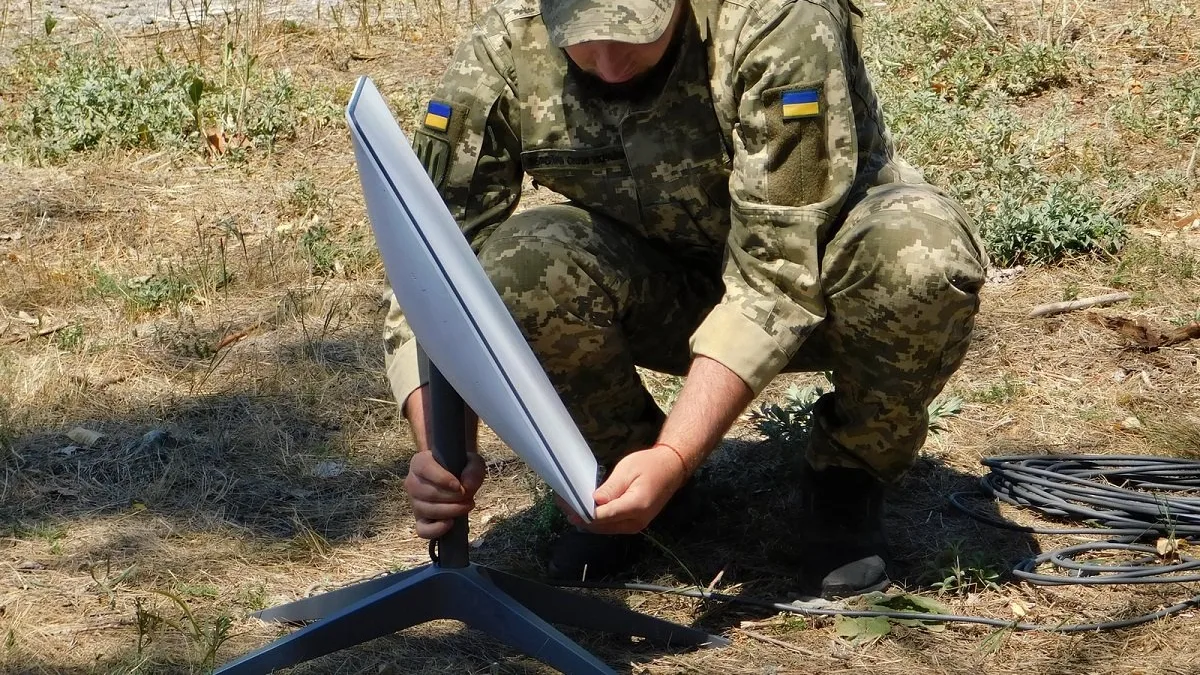
Starshield is a military version of Starlink that SpaceX builds under contract with the U.S. Department of Defense. It launched in 2022 and allows deeper encryption and handling of sensitive data. SpaceX says it is used primarily by U.S. defense agencies.
Rubio explained the difference between the two systems this way:
Starlink is a commercial product, okay? Starshield is a defense product, a military product.
According to the Secretary of State, Kyiv asked for Starshield access in order to carry out strikes deep inside Russian territory. Rubio added that Ukraine does not have that access at the moment, and summed it up in one sentence: “It’s not currently available to Ukraine, and it is being discussed.”
What exactly does Zelensky claim about the 161 kilometers per hour limit?
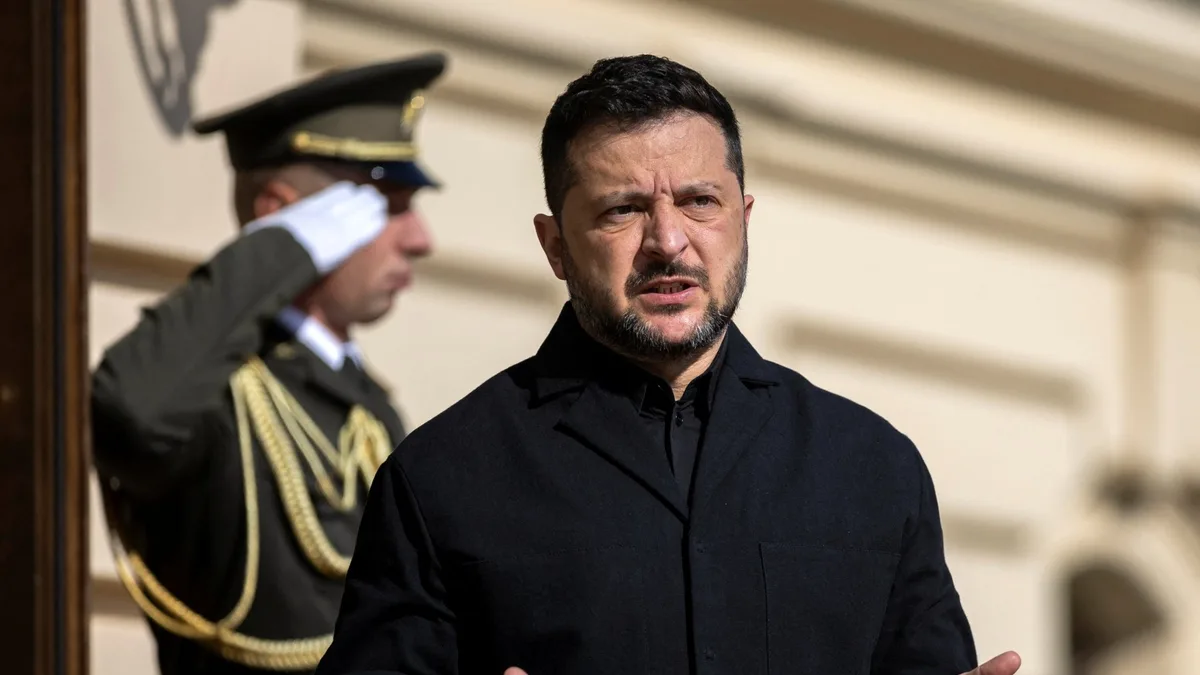
On Saturday Zelensky presented technical details that he says prove deliberate interference. By his account:
- Starlink terminals in Ukraine are capped at 161 kilometers per hour, so the connection drops once a vehicle passes that threshold and operators lose control of interceptors in flight
- the cap disabled Ukrainian interceptors meant for Russian Shahed drones, which reportedly fly faster than 400 kilometers per hour
- Ukrainian teams tested vehicles with Starlink inside the European Union, where they ran without interruption at 180 kilometers per hour
- the Starlink outage in Ukraine on Wednesday, October 14, was deliberate
From those tests Zelensky concludes that the limit targets Ukrainian airspace and is not a global software bug, since the same terminals work without interruption in the European Union. Rubio rejects any such intent.
Ukrainian officials said last week that the restrictions on terminals had slowed some drones on the battlefield. At Andrews, Rubio said that to his knowledge the connection has been restored to its earlier level.
How did Rubio and Trump respond?
The Secretary of State dismissed Zelensky’s claims flatly. On the question of intent, he said:
I don’t know what Zelensky said. I’m not sure Zelensky knows what he’s talking about, but it was not intentional.
Asked about Washington’s role, he said: “Nobody ordered the speed of Starlink to be slowed down.” He called the allegations of White House involvement “just completely false.”
President Donald Trump denied that he or SpaceX owner Elon Musk ordered any restrictions. Responding to those claims, he said: “Everything is the same as it has always been.”
What does Britain’s Telegraph report?
The two American denials do not match the reporting of the British newspaper The Telegraph. According to the paper, which cites four sources, Musk proposed the restrictions to Trump, Trump approved them, and that cleared the way for the Pentagon to narrow Starshield’s operation. That version conflicts with both the denials from Washington and Zelensky’s explanation, and it has not been independently confirmed.
So far, then, there are three different accounts of the same event: Kyiv says the limit was deliberate, the White House says it never ordered one, and the British paper says the decision was made between Musk and Trump. Along with his denial, Rubio said that Starlink, as far as he knows, is back at its earlier level, while he gave no deadline for Starshield access, only that talks are under way.