Milatovic's office criticizes government over Kotor pool
Montenegro's president, through his office, proposes the name City Pool Kotor and says the Morinj plaque text should have been worded more carefully, as Croatia demands eight conditions.
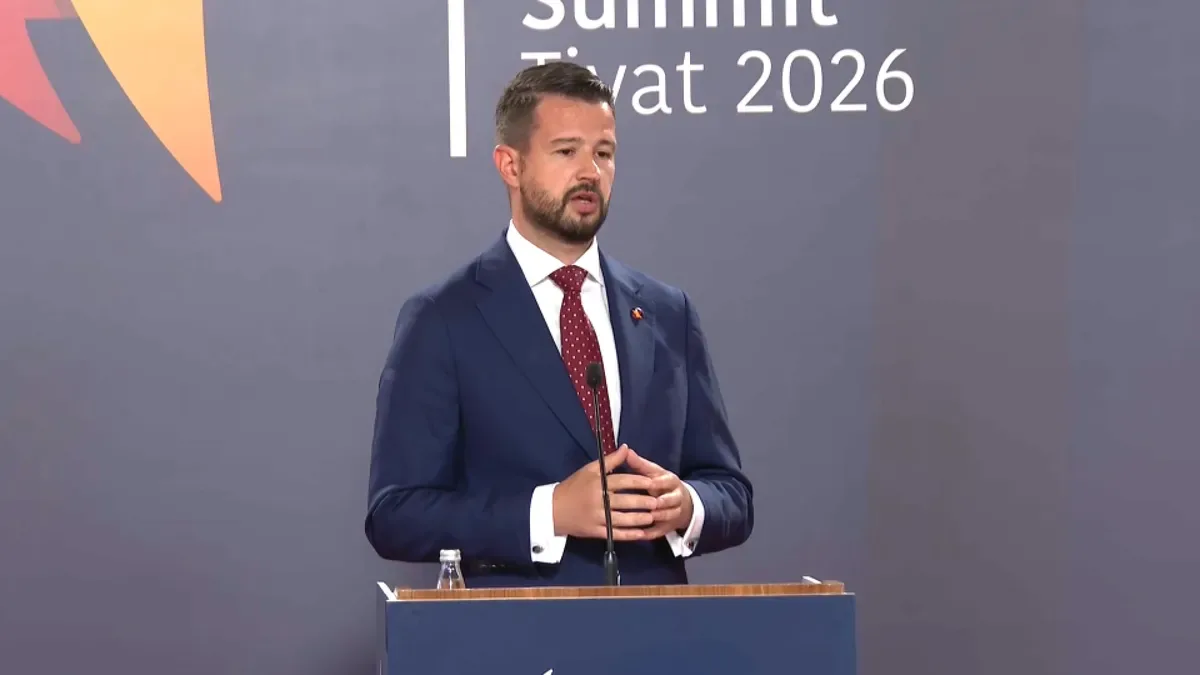
Montenegrin President Jakov Milatovic has used his office to distance himself from two decisions by the government in Podgorica that strain relations with Zagreb: renaming the city pool in Kotor and retroactively approving a memorial plaque in Morinj. The office issued its statement on October 21, while Croatia is asking Montenegro to meet eight conditions before accession talks with the European Union can be concluded.
For the region, it is the latest round in a dispute over the wartime past of the 1990s, in which former Yugoslav People’s Army members were convicted by a Montenegrin court.
What did the government decide on the pool and the plaque?
This week, after amendments to the Law on Sports, the government named the Kotor pool “City Pool - Petar II Petrovic Njegos”. In 2021 the Kotor municipal assembly had named it after water polo player Zoran Dzimi Gopcevic. Zagreb has contested that decision from the start, saying that Gopcevic served as a guard at the Morinj camp during the 1990s war, where Croatian civilians and prisoners of war were held.
The government then also approved the Morinj memorial plaque after the fact, with its existing text. The plaque was unveiled in October 2022 in the presence of ministers from both countries and is dedicated to Croatian civilians and defenders held “during the Greater Serbian aggression against Croatia”. That wording has drawn political disputes in Montenegro since it was put up.
What does Milatovic’s office say?
The office does not dispute that these issues need to be resolved, but it objects to how it was done. In its view, Njegos should not be dragged into a dispute over the name of a sports facility:
“Njegos’s name and work deserve special reverence and a dignified approach. If changing the pool’s previous name in Kotor was necessary, we believe that the name ‘City Pool Kotor’ would have been a more natural and more fitting solution.”
On Morinj, the office does not question the verdicts. In 2014 the Court of Appeal of Montenegro upheld convictions of four former Yugoslav People’s Army members for a war crime and inhumane treatment of Croatian prisoners, with sentences of two to four years in prison. The office builds on that:
“The crimes committed in Morinj have been established in court, and the victims and their families deserve respect and dignified remembrance. That is precisely why we believe the text of the memorial plaque should have been worded more carefully, with a clear focus on the people and respect for their dignity, avoiding wording that is subject to political interpretation and that may further deepen divisions.”
The office argues that approving the plaque with unchanged text raises the question of how Montenegro relates to its own past. The message runs both ways, though: Montenegro needs the best possible relations with Croatia and the fastest possible progress toward EU membership, but a good-neighbor policy, the statement says, must rest on mutual respect and respect for the dignity of both states.
Why does this matter for talks with Brussels?
Croatia has asked Montenegro to meet eight conditions before accession talks end, and the Morinj plaque and the name of the Kotor pool are among them. European Enlargement Commissioner Marta Kos said the same day that bilateral issues between Montenegro and Croatia are not part of the negotiation process itself, but that they must be resolved, because Podgorica needs the consent of all 27 EU members to move forward.
The government made the decisions on the pool and the plaque, and the president’s office is now saying publicly that they could have been different. Whether the government will respond, the available sources do not say.