Trump on Iran: Decision Soon on Widening the War
The US president said in the Oval Office he may have to destroy the rest of Iran, as Qatar mediates, Tehran sets seven conditions and Brent oil rises again.
US President Donald Trump said Thursday evening in the Oval Office that he may have to destroy the rest of Iran, and that a decision would be known “pretty quickly.” For Serbia, the most immediate link is the price of oil on the world market, which drives fuel and energy prices. Brent traded between roughly $93.6 and $98.3 a barrel over the past two days, so every new word from Washington and Tehran carries weight well beyond the Middle East.
What exactly did Trump tell reporters?
The remarks came after a meeting with the national security team, the first on Iran since the congressional elections, according to two US officials who spoke to Axios. Trump said the administration will decide whether to go further so that Iran’s nuclear program is permanently disabled, and then added:
I would rather not destroy the rest of the country, if possible, but I may have to. And you’ll know pretty quickly.
The president estimated that Iran would need about 25 years to rebuild after the war the United States and Israel started on February 28, while Gulf News reports his estimate as 25 to 30 years. He also acknowledged that 18 American soldiers have died in the conflict. Asked about reports that Tehran had sent a proposal on the future of its nuclear program through intermediaries, he replied: “They don’t do anything without our approval.”
On Tuesday Trump declined to rule out resuming combat operations after the election, and on Wednesday he told reporters the war contributed heavily to the Republican defeat. Vice President JD Vance earlier said the war is “the reason we lost.” As we reported earlier, Trump also confirmed the American strike on an air defense facility on Qeshm island.
What is Tehran demanding before talks begin?
A senior Iranian official, speaking on condition of anonymity, told Reuters that Iran sent a nuclear proposal via Qatar and that it will be discussed only after Washington meets seven Iranian demands. They include lifting sanctions, unfreezing Iranian assets and war reparations. Washington wants nuclear issues to be part of the first round of negotiations. The American side, according to the same source, is considering the proposal.
Mohsen Rezai, secretary of Iran’s Supreme National Security Council, who visited Moscow on Thursday, voiced the same position in Russia:
As long as they do not meet our seven conditions, we will neither open the Strait of Hormuz nor negotiate.
Rezai also said Russia will build a gas pipeline to Iran. On Friday the emir of Qatar, Sheikh Tamim bin Hamad Al Thani, spoke with Trump by phone about Qatari mediation toward a comprehensive agreement, Doha announced. According to Gulf News, Qatar is seeking American and Iranian backing for a draft deal under which talks would start within a few days.
Washington itself is not united. Vance favors a deal, while CIA Director John Ratcliffe and Treasury Secretary Scott Bessent support continuing the naval blockade, Gulf News reports, citing Axios.
What is happening over Qeshm and in the Strait of Hormuz?
In two statements, the Revolutionary Guard’s air force said that on Thursday it disabled two American MQM-170 reconnaissance aircraft over Qeshm island using electronic warfare systems. The Guard gave no further details, and the reports we read contain no independent confirmation. Iran previously claimed to have shot down four such aircraft, which would bring its tally to six. Gulf News adds that the Guard also said its naval electronic warfare unit took control of two aircraft and landed them undamaged, without saying whether these were the same machines.
The Guard also said on Thursday that three vessels caught fire in two incidents the previous night:
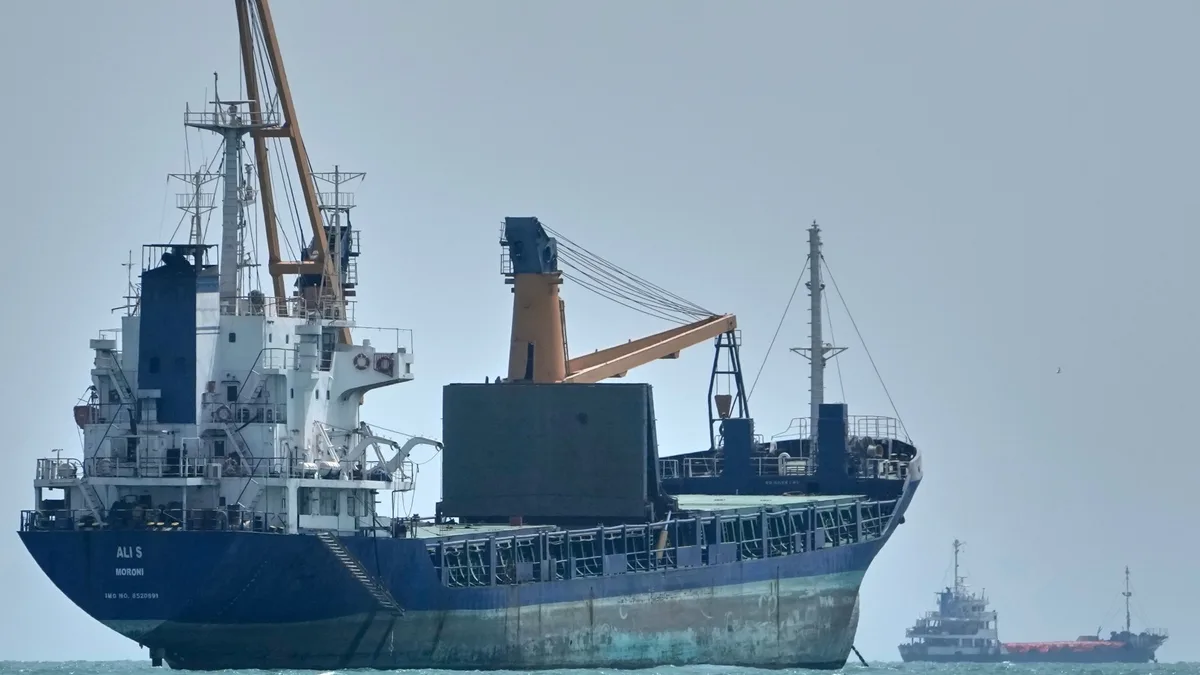
- one tanker hit mines in the passage south of the strait,
- a second tanker caught fire while leaving the route in the eastern part of the strait,
- a tugboat that came to help the second tanker also caught fire.
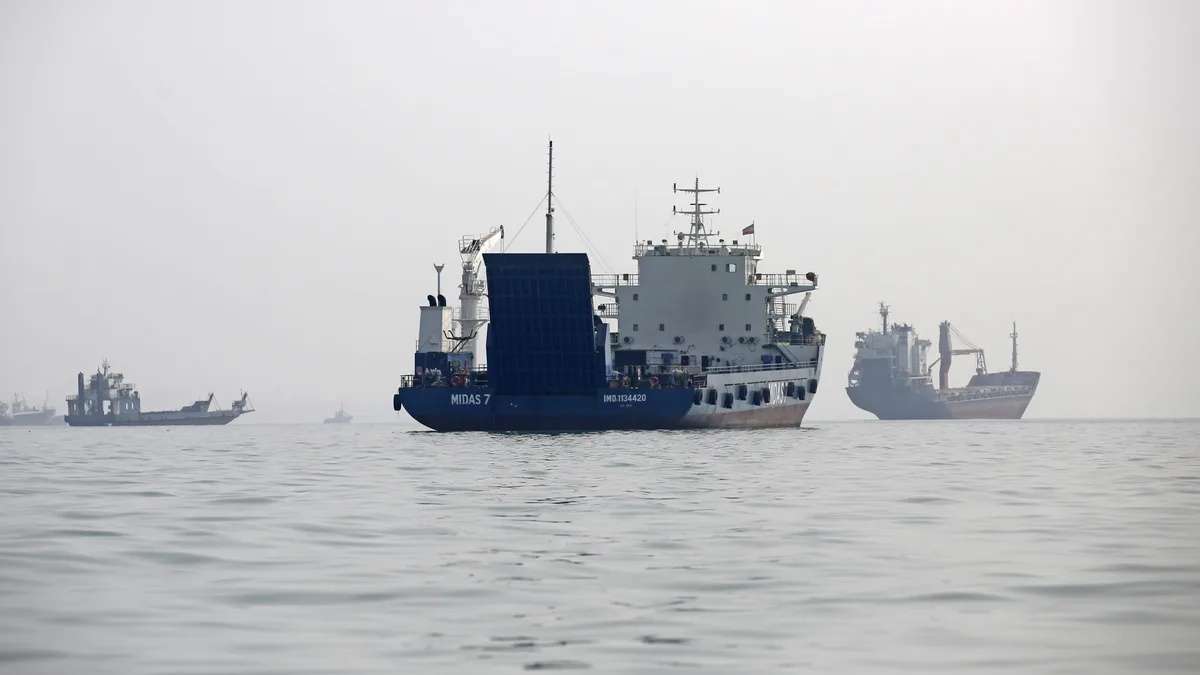
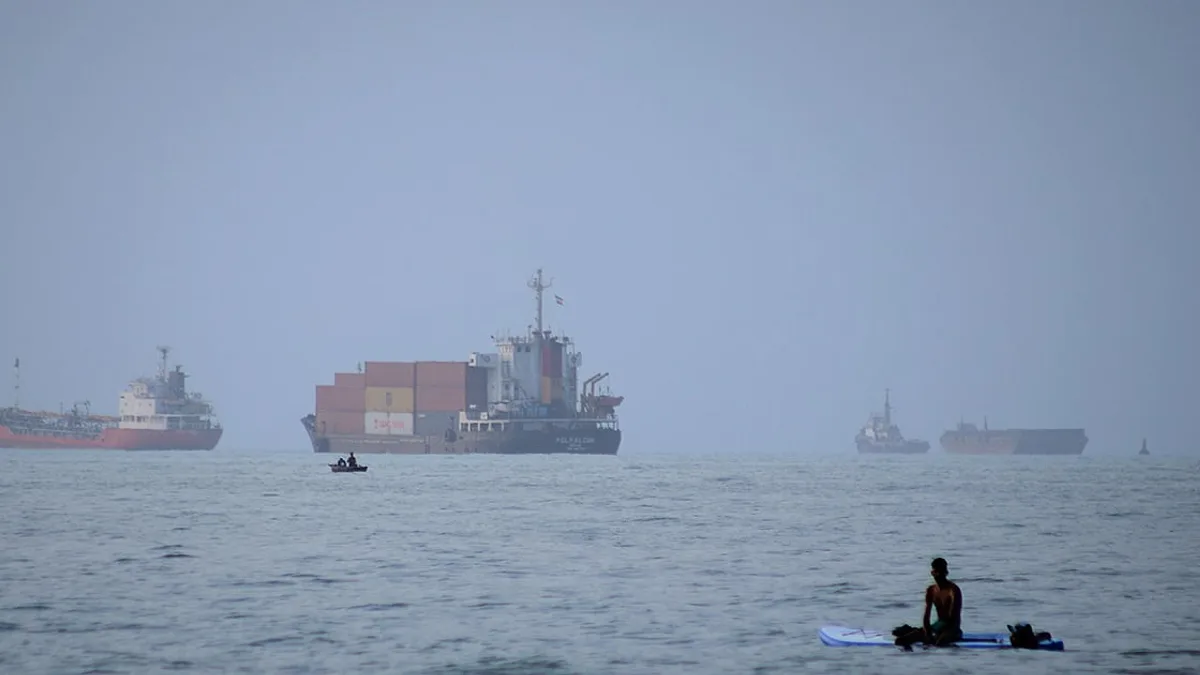
Tehran blamed the United States, claiming it lures ships onto a prohibited route. The Joint Maritime Information Center said four attacks were recorded off Oman’s Musandam coast between November 1 and 3, while traffic through the strait remains well below pre-conflict levels. South Korea is sending patrol aircraft and an explosive ordnance disposal team to help keep the passage open.
How did oil and Washington politics react?
Brent fell almost eight percent on Wednesday, and on Thursday morning Beijing time it stood at about $93.63, its lowest in roughly two months. A peak near $118 was recorded the previous Friday. On Friday morning the price was about $98.29, up $3.67 from the previous close.
On Wednesday Trump said Vance’s assessment was “mostly accurate,” but that he would do it all again, because in the long run it is the “only answer” and Iran must not have a nuclear weapon. Questions also remain about Defense Secretary Pete Hegseth. Trump dismissed speculation about a replacement, saying he is “doing a very good job,” and Hegseth rejected calls to resign in a video message. Representative Thomas Massie intends to force a vote on his impeachment in the House when Congress returns next week.