Tanker hit off Qatar as only seven ships cross Hormuz
UKMTO reports casualties on a tanker 94 kilometers off Qatar's coast, Kpler logs the lowest Strait of Hormuz traffic since July 23, and Brent tops $104.
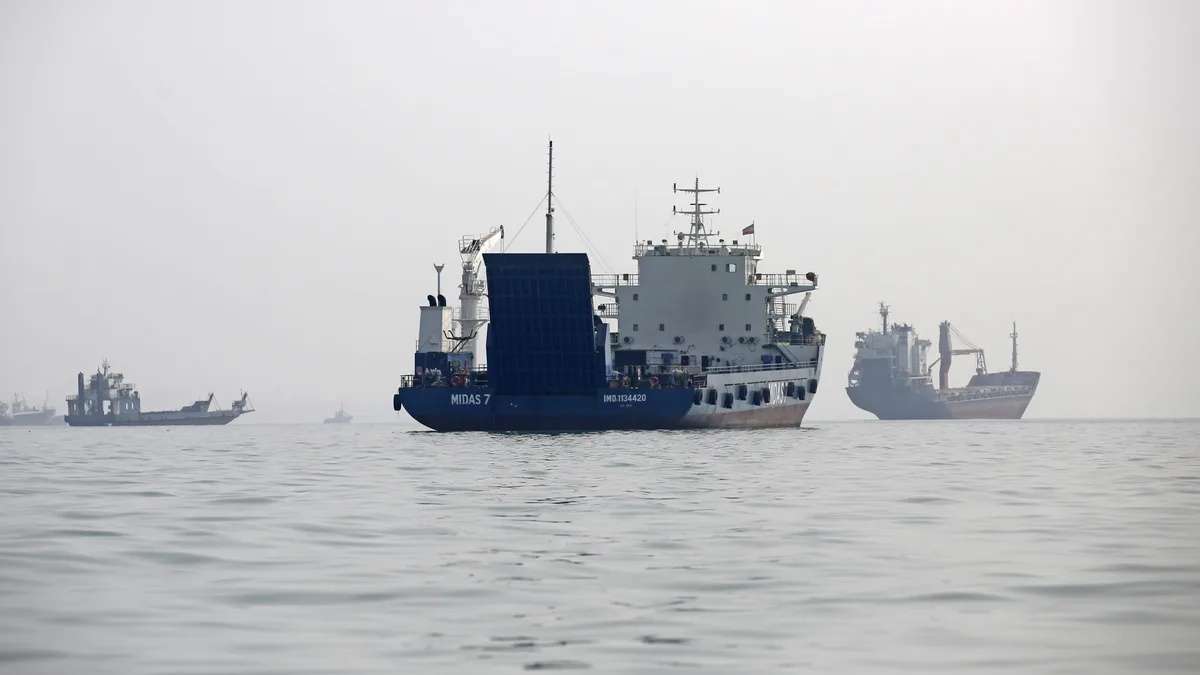
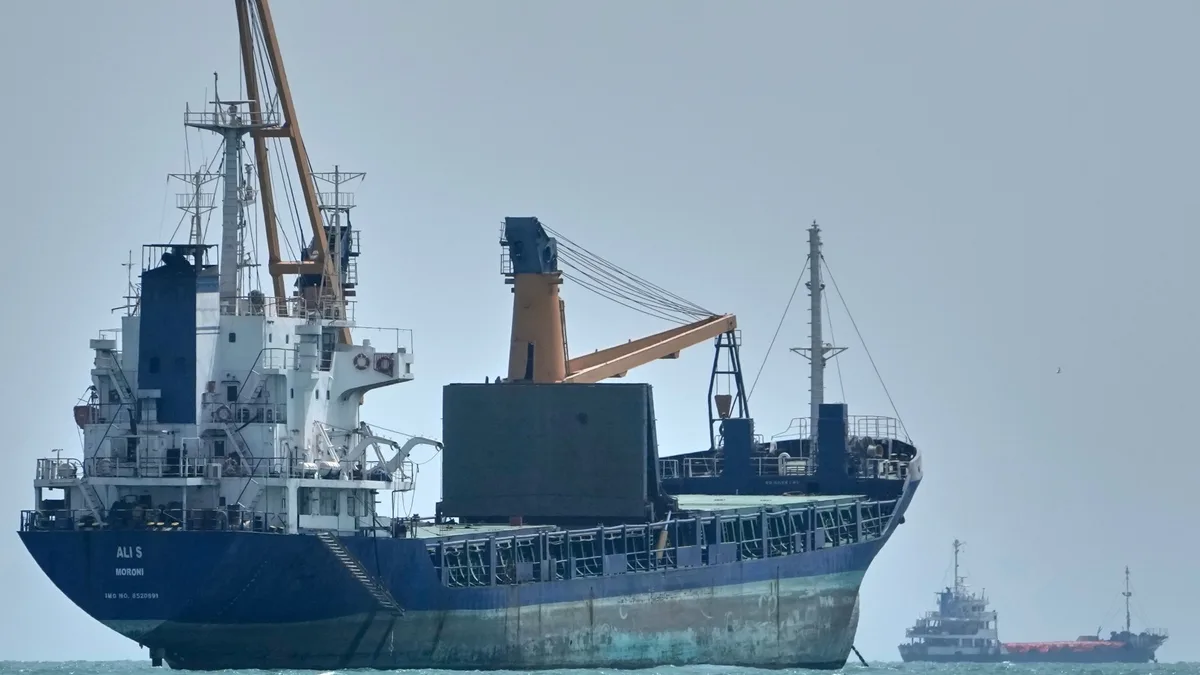
The British UK Maritime Trade Operations agency (UKMTO) said on Wednesday, October 7, that a tanker was hit by several projectiles about 94 kilometers north of the Qatari town of Madinat ash Shamal, inside Qatar’s exclusive economic zone, and that there were casualties. Brent, the benchmark oil price for the European market, topped $104 a barrel on Thursday morning, so events in the Persian Gulf are felt on the continent Serbia belongs to as well.
The attack follows a dispute we have been tracking over whether the Strait of Hormuz is open, as US Secretary of State Marco Rubio claims, or closed, as the Iranian Revolutionary Guard says. Now there are figures that can at least partly settle it.
What is known about the attack on the tanker off Qatar?
UKMTO did not say how many people were killed or injured, noting that the authorities are investigating the incident. The ship’s name, flag, owner and cargo were not disclosed. None of the available reports names a culprit, and Qatar has not commented.
The trade publication Maritime Executive assesses that this is the first reported attack on a tanker in the western half of the Gulf in several weeks. Vessels have more often been targeted in the Strait of Hormuz itself, the narrow passage linking the Gulf to the Gulf of Oman.
The number of attacks depends on who counts and over what period. According to Al Jazeera’s report, UKMTO said on Tuesday that nine attacks on tankers in the strait had been recorded in October, half of September’s total for the strait and the Gulf combined. RTS, on the other hand, cites at least 12 attacks on tankers between September 28 and October 5, the most in a single week since the war began on February 28.
How many ships are actually passing through Hormuz?
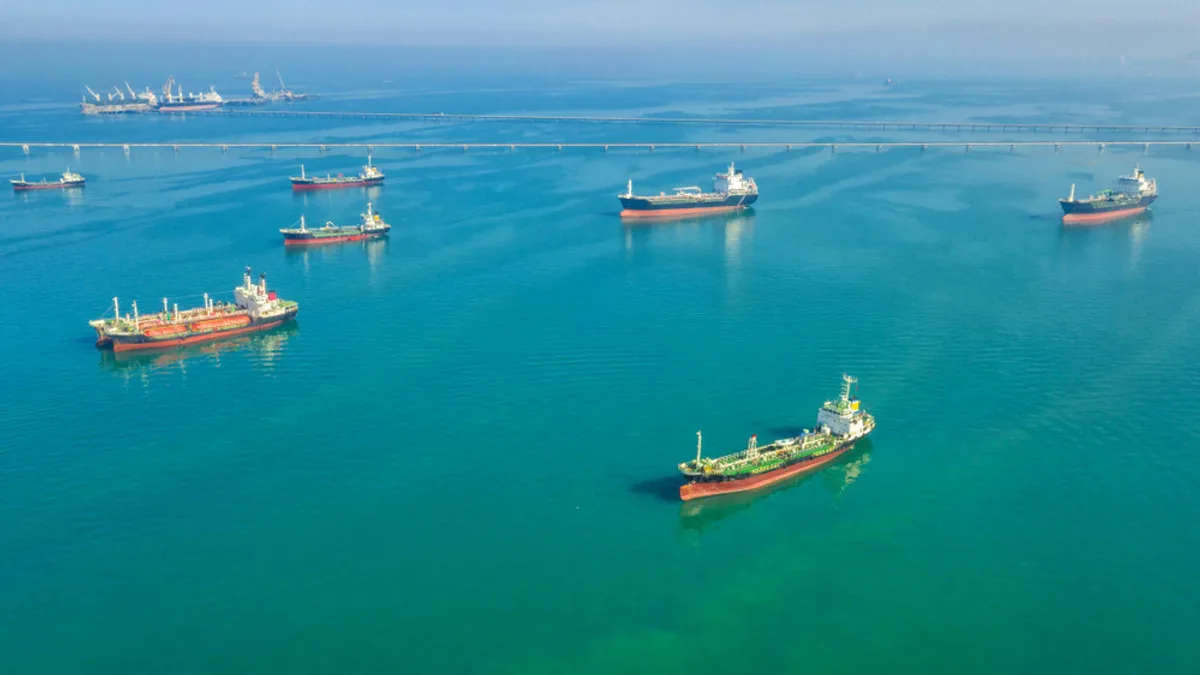
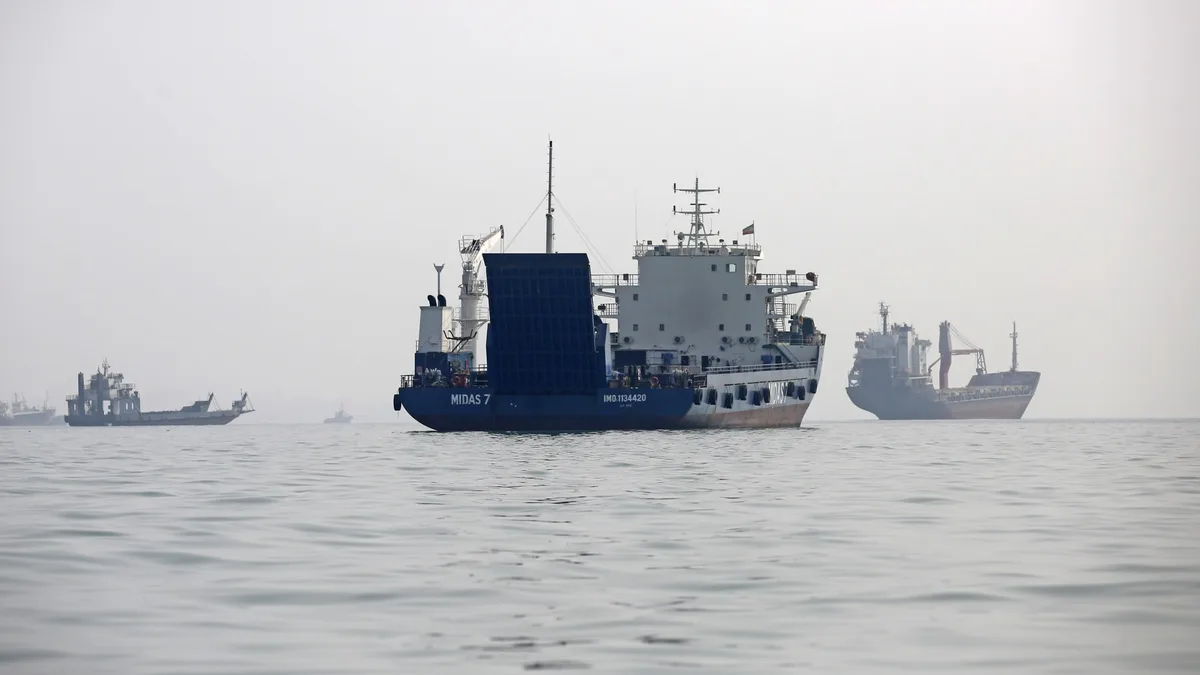
The analytics firm Kpler reports that only seven cargo ships crossed the strait on Tuesday, the fewest since July 23. On Wednesday there were ten, while on Sunday and Monday more than 20 passed each day. Before the war, about 125 large merchant ships went through the strait daily. Kpler also notes that over the past two days more ships entered the strait than left it.
Crude oil flow fell 27 percent from last week’s wartime peak, to 10.1 million barrels a day. Kpler analysts describe that as a return to the September average, but also as only 74 percent of the prewar level.
Unnamed Iranian officials claim something different: that daily flow was cut by 60 percent, to about 3.8 million barrels, with a weekly average of about 9.3 million. The gap between their figure and Kpler’s is more than double, and Rubio, as RTS reports, previously claimed that the volumes passing through equal those before the blockade.
There is also a third picture. Al Jazeera, citing Kpler, says the seven-day moving average of Middle East crude exports reached 18.3 million barrels a day on September 30, against an average of about 18 million over the 12 months before the war. That measures exports from the entire Middle East, not flow through the strait itself, so the two figures do not describe the same thing.
What are Tehran and Washington saying?
Iranian Foreign Ministry spokesman Esmail Baghaei told the Tasnim agency that Iran has set out its conditions for ending the war and restoring security in the Persian Gulf and the Strait of Hormuz, that a reply to the American proposals will arrive through intermediaries, and that Tehran and Oman have agreed on safe entry and exit routes through the strait. The matter will, he said, be brought before the competent international body.
“This will, God willing, be done soon,” Baghaei said.
Ali Mohammadi, the Revolutionary Guard navy’s deputy commander for political affairs, rejected the American president’s claims about oil and ships passing through. He told the Fars agency:
“If oil and ships are truly passing through the Strait of Hormuz, why isn’t the oil market reacting accordingly? Because the market also knows you are lying.”
Mohammadi added that the Guard’s navy retains “complete control” over vessel movements in the Persian Gulf, the Strait of Hormuz and the Gulf of Oman.
President Donald Trump said that special envoy Steve Witkoff is working on a possible agreement with Iran. RTS carries his words:
“He is working on a deal with Iran and doing very well. I think a deal is actually not something I want to make, but they are ready to offer us anything just to make it all stop.”
Trump also said the war will end: “That war will end, and very soon. It has to end very soon.”
At the same time, the American outlet Axios, citing US officials, reports that the Pentagon has ordered Central Command to finish preparations for a possible resumption of major military operations in Iran, which could include energy facilities, infrastructure and nuclear sites. No date has been set, and Trump, according to the same source, has not made a final decision. An unnamed Pentagon official told Axios:
“The Department of Defense’s job is to develop military options and present them to the president.”
How did the market react?
At 9:30 Brent rose about 3.72 percent, to $104.011 a barrel, and US WTI rose about 3.71 percent, to roughly $91.539. European stock indexes were down.
Bloomberg, citing anonymous sources, reports that Saudi Arabia is negotiating with buyers on oil deliveries that bypass the Strait of Hormuz from next year, under long-term contracts. According to those sources, the talks should wrap up by the end of the year.