Carriers Postpone Border Protest Planned for September 14
The "International Transport" association says the border protest announced for September 14 is not off, only postponed, after progress in talks over driver visas.

Serbia’s border and administrative crossing protest, announced for September 14, has been postponed until further notice. The organizing committee of the Business Association of International Road Freight Carriers of Serbia, “International Transport,” announced the decision on the evening of September 11, three days before the blockade was set to begin. The Tanjug news agency reported the news at 6:40 PM, and the N1 news portal followed at 9:32 PM.
The association says the reason for the postponement is progress made in talks with the Delegation of the European Union to Serbia. The talks addressed the very problem that prompted the protest announcement in the first place: long waits for drivers at border crossings and administrative obstacles in international freight transport. According to the association, the latest round of talks produced progress on setting deadlines for issuing special visas for professional drivers from the Western Balkans, a document without which a driver cannot cross the border, and one that can currently take longer to obtain than the transport job itself.
The association says the EU showed genuine willingness to engage this time, unlike in previous rounds of talks, and took concrete steps toward meeting the carriers’ demands. Its statement reads:
“The extensive diplomatic activity our state institutions have carried out has produced results with a number of EU member states. Since the association’s primary goal has always been to solve the problem rather than stage the protest itself, we believe it is responsible and purposeful at this point to give a chance to an institutional agreement and to the fulfillment of the commitments made.”
The committee adds that gathering at the border crossings is a last resort, and that now that things have started moving, it wants to show good faith toward a constructive solution. The decision, it stresses, does not mean the protest has been called off, only postponed.
Who loses and who gains from the delay
The biggest winners are the carriers themselves, the companies hauling freight toward Western Europe and across the Balkans. A blockade at Batrovci or Horgos would have added days to lines that already wait for hours, with the delay rippling further down the chain of border crossings and reaching the customers waiting on the goods. The EU Delegation to Serbia also gains, since it now has extra time to settle the issue at the negotiating table instead of under the pressure of blocked trucks in front of the cameras.
The one thing that loses out, for now only conditionally, is the protest announcement itself as a tool of pressure. By postponing, the association gives up a lever that had already once brought institutions to the table, and ties its next move entirely to whether the EU actually delivers on what it has promised. If the talks drag on or the promised visa deadlines pass without results, the association says it will “immediately set a new date and call on carriers to join a joint protest.”
Not the first push for pressure at the borders
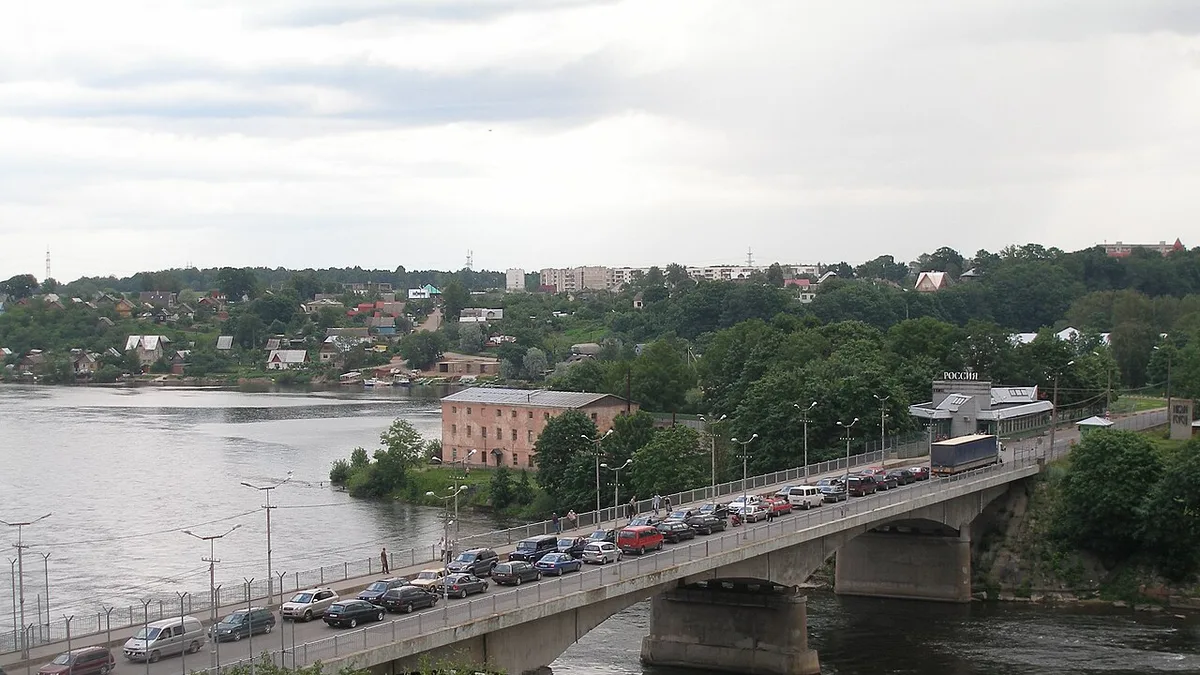
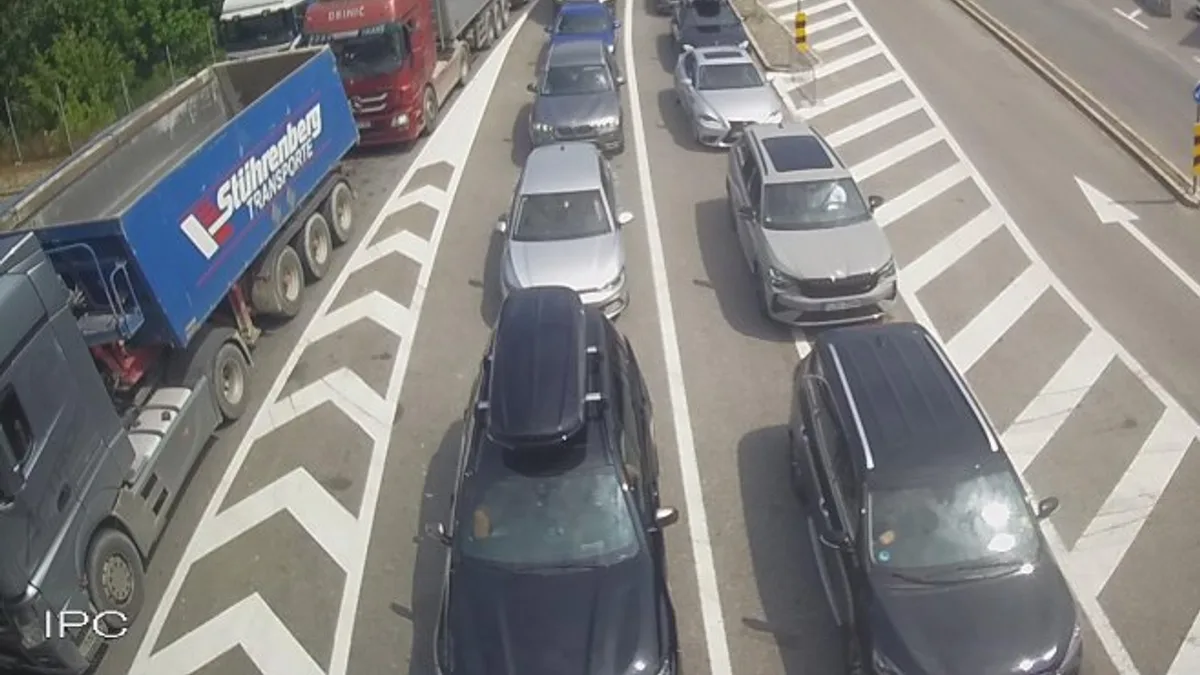
In recent days we reported that trucks leaving Batrovci were waiting as long as seven hours, the very problem that triggered the announcement of the September 14 blockade. That context is what gives the postponement its weight: carriers are not giving up the pressure because the problem disappeared, but because they received a concrete promise, visa deadlines, rather than just an announcement of talks.
The issue of visas for professional drivers from the Western Balkans has been dragging through talks with Brussels for a long time, without a clear timeline that would let carriers plan ahead. Now, according to the association, that timeline has concrete deadlines attached to it for the first time, though the deadlines themselves have not been made public.
What comes next
The “International Transport” association says it will closely monitor whether the other side follows through on every agreed step within the promised deadlines. If that does not happen, or if it detects any departure from the agreement, a new date will follow along with a new call for carriers to join in. Until then, September 14 remains just a date that never happened, and Serbia’s border crossings are operating without the announced blockade.