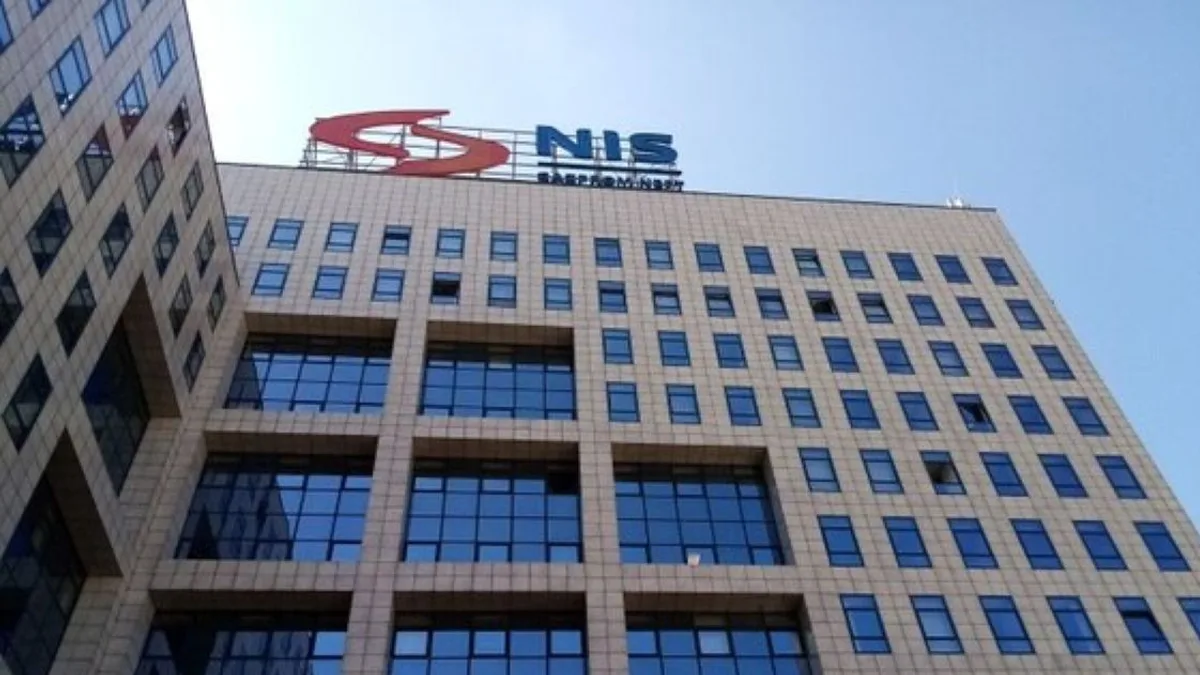
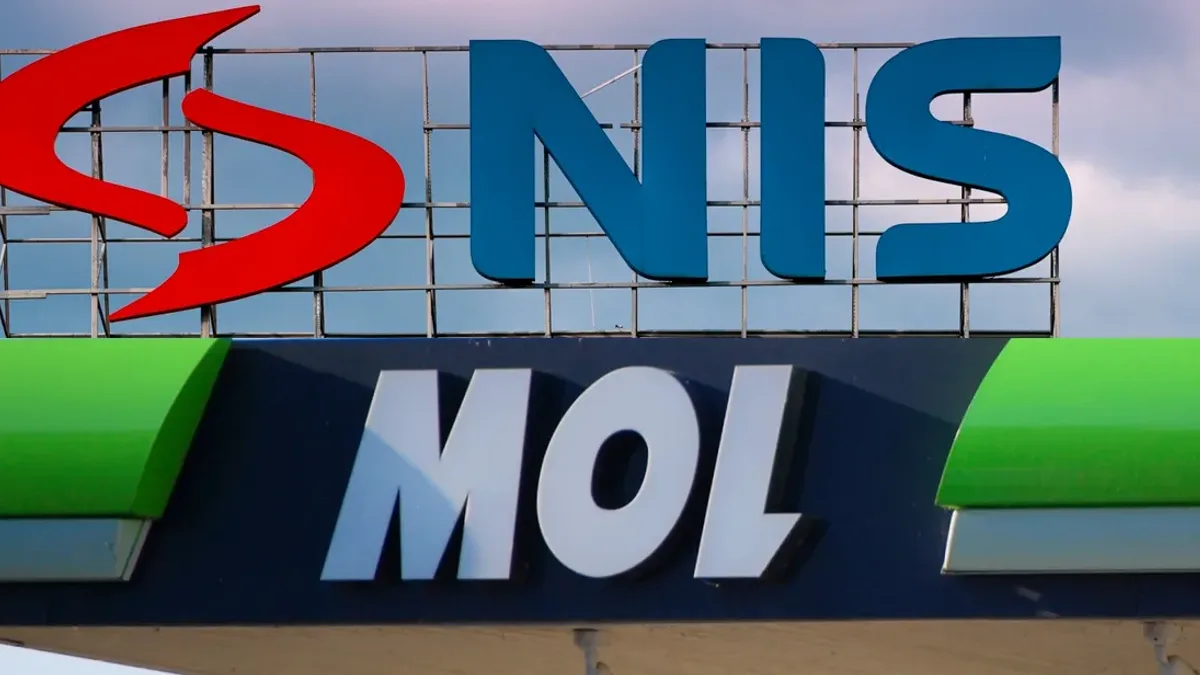
NIS and MOL: license expires in eight days, no change
MOL says nothing has changed in the transaction that it would have to report to the capital market, and the OFAC licenses for NIS and for the talks run until October 30.
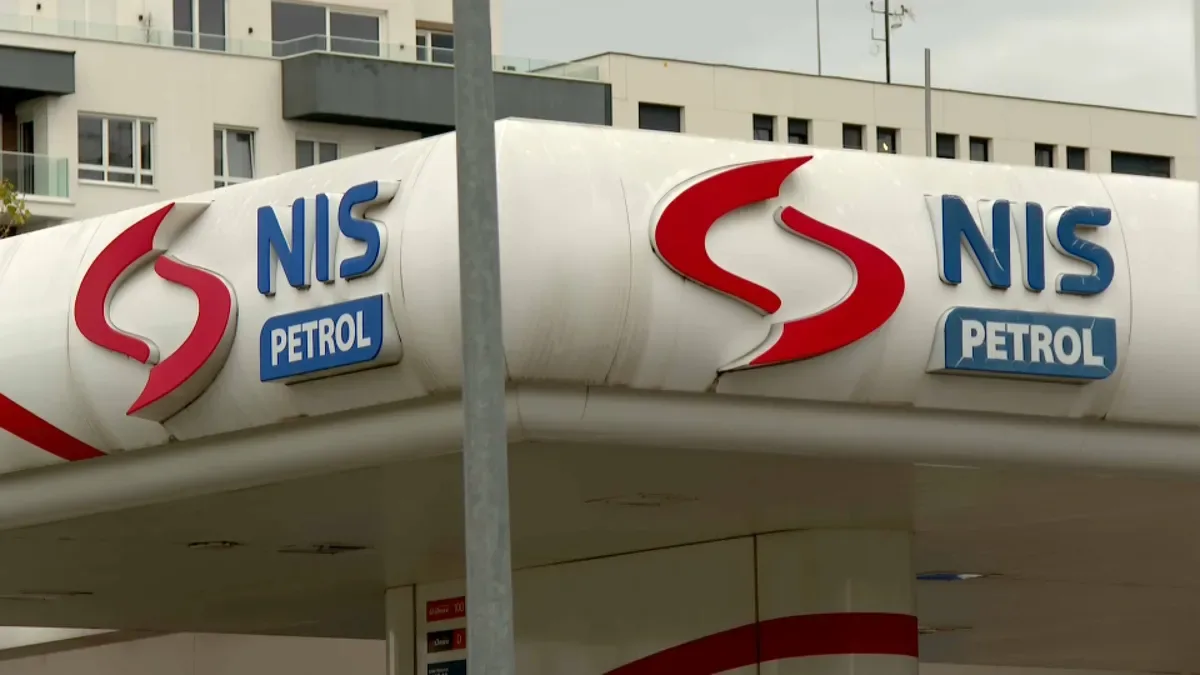
Eight days remain until the special U.S. OFAC license for the Petroleum Industry of Serbia (NIS) expires. The permit is valid through October 30, 2026, and until the same date the Office of Foreign Assets Control at the U.S. Treasury Department has allowed Hungary’s MOL to continue negotiating a majority stake in the company. On Wednesday, October 21, MOL said there had been no change in the transaction that it would have to report to the capital market, while energy expert Zeljko Markovic judges that the October 25 election will not decisively shape NIS’s fate.
What did MOL say after Sinisa Mali’s statement?
The statement came a day after Finance Minister Sinisa Mali spoke. Appearing on Bloomberg Adria on Tuesday evening, he said that “an agreement has been reached between the Russian side, which is the majority owner of NIS, and Hungary’s MOL” and that “the contract has been signed.” Mali added that approval is awaited from the competition commissions of Serbia and Bosnia and Herzegovina, and according to Bloomberg Adria he also expected both sides to file for approval very soon.
MOL responded with a written statement:
“There has been no change regarding the transaction that would require us to inform the capital market. In case of any new relevant developments, we will provide information without delay, in accordance with applicable regulations. The public will be informed in a timely and transparent manner about all relevant corporate events, in accordance with applicable legal and regulatory obligations.”
In the quoted text MOL says nothing about the signing of a contract, either way. Bloomberg Adria read the statement as meaning that the company had not signed a final contract to buy the majority stake, which the statement itself does not say.
Which contract did Mali have in mind?
Sources differ on the Finance Ministry’s clarification. According to Tanjug, relaying Telegraf, Mali was talking about a contract signed with MOL in June. According to N1, the ministry said it was a contract between the MOL group and the Serbian government from June. As we reported on October 21, this is the June shareholders’ agreement.
That document, the Agreement Between Shareholders on the Future Management of NIS, was signed on June 16 by Mining and Energy Minister Dubravka Djedovic Handanovic. It takes effect only if MOL and Russia’s Gazprom Neft reach a deal and OFAC approves that deal. Under its provisions:
- Serbia buys an additional 5% of NIS shares
- the refinery must operate for at least 10 years, at the capacity it had in the four years before U.S. sanctions were imposed
A separate purchase agreement, under which MOL takes over Gazprom Neft’s 56.15% stake in NIS, was still being finalized in June, according to the ministry.
What is valid until October 30?
On September 30, OFAC issued NIS a special license to continue operations through October 30, 2026. According to NIS’s statement, it covers maintaining business operations and contracts, refinery processing, crude oil imports, transactions needed for supply security and technical maintenance, and financial settlements. MOL announced that on the same day it received permission to continue talks on the majority stake, also until October 30. The licenses, then, expire five days after the vote.
Why does Markovic not expect the election to matter?
Markovic told the FoNet agency that the final outcome depends above all on an agreement between Russia and Hungary and on OFAC’s approval. He admitted he lacks enough information about the stage of the talks, because the public has heard a rotation of claims: that a deal had been reached, that approvals were still to be obtained, and that the negotiations had collapsed. He described Serbia’s role this way:
“We are a minority partner here. The Russians are the owners, and what they will do depends on an agreement among the great powers, primarily the United States of America.”
In his assessment, the state would protect its minority stake in NIS no matter who is in power and, if possible, increase it. Markovic adds that NIS was not among the main themes of the electoral lists, so he does not expect the issue to influence voters’ decisions either. As for a resolution, his answer is short: “We can only wait and see how it gets resolved.”