TTF gas hits 97.64 euros per MWh, highest since 2022
November contracts opened Tuesday at 95.35 euros, and the war in Iran and storage refilling keep gas near 100 euros. In Serbia, more than a quarter of October's electricity came from imports.
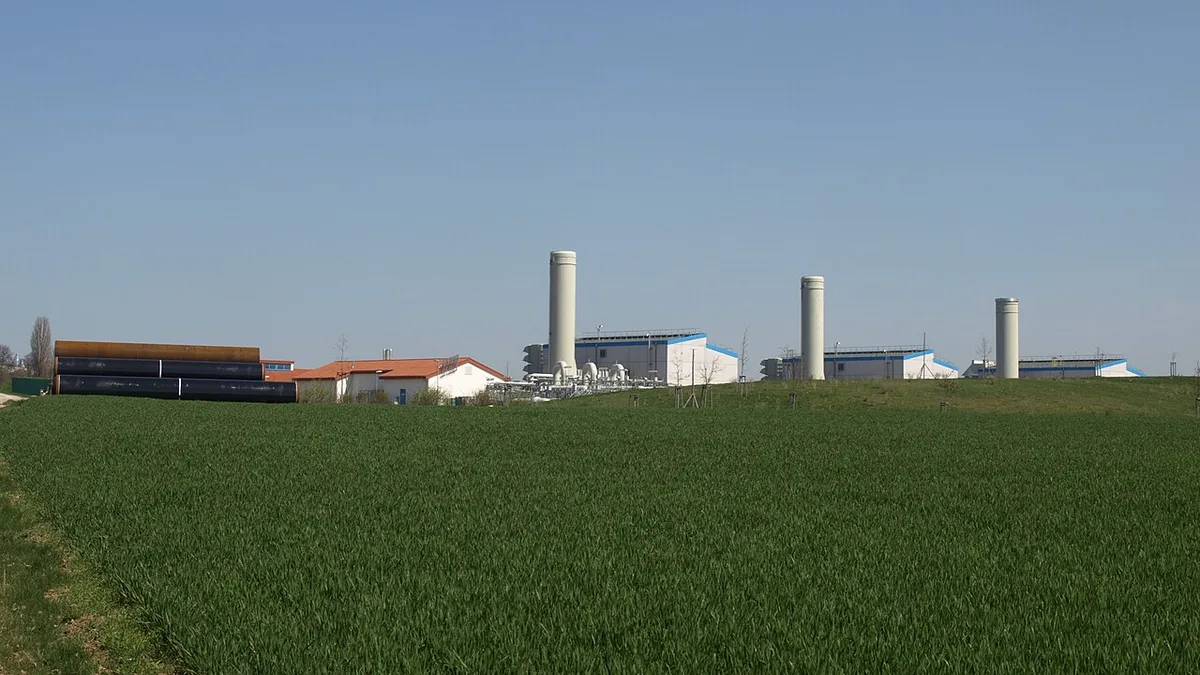
The front-month gas contract at the Dutch TTF hub reached 97.64 euros per megawatt-hour (MWh) on the Amsterdam exchange on Tuesday, October 27. That is almost three percent above Friday’s level and the highest gas price in Europe since the end of 2022. The 100-euro mark is less than two and a half euros away.
Gas has risen by about a third since the start of October and has more than tripled since the beginning of the year, German news agency DPA reported. Morning market data does not match to the last digit: November futures opened on Tuesday at 95.35 euros per MWh at TTF, a slight dip. At the standard conversion of 10.5 MWh per 1,000 cubic meters, that works out to about 1,001.18 euros per 1,000 cubic meters. At the same rate, 97.64 euros per MWh comes to about 1,025 euros.
What pushed gas prices up?
The main cause is the war in Iran, which has all but halted shipping through the Strait of Hormuz. The strait is one of the world’s most important routes for liquefied natural gas, so a stoppage feeds straight into European prices.
The second factor is the rush to refill storage before winter. Germany has been building up reserves for several weeks, and its storage sites are now a little over 61 percent full, compared with about 75 percent at this point last year. The gap is roughly 14 percentage points.
For comparison, when the war in Ukraine began, TTF gas topped 300 euros per MWh. Today’s level is less than a third of that peak, but it is still the highest in four years.
When will households feel it?
Pricier gas puts pressure on consumers and industry, though not on the same day. In the German state of Baden-Wurttemberg, household gas prices rose 22 percent over the past 12 months, according to an analysis by the price comparison portal Verivox, published in Heidelberg. Supply is mostly contracted long term, so high exchange prices reach bills with a delay.
Oil, gold and the Fed meeting
Oil prices dipped slightly on Tuesday morning. A barrel of Brent cost about 114.91 dollars, down 0.77 percent, while US WTI stood at about 100.90 dollars, roughly 0.8 percent lower than at the previous close. The dip was linked to a Financial Times report on Qatar’s diplomatic efforts to calm tensions with Iran.
Brent closed Friday at around 117 dollars. Zeljko Markovic, an energy expert, said on RTS’s Morning Program on October 26 that a barrel cost about 60 dollars before the latest surge, and that diesel quotations on the Mediterranean market reached roughly 1,440 to 1,500 dollars. Prices have, as he put it, settled at a much higher level:
“Even your fellow journalists joke: ‘We have entered a period of the new abnormal’.”
Markovic said further price moves will depend on supply and demand, as well as on developments in the Middle East.
Markets are also watching the start of the two-day meeting of the US Federal Reserve, which is expected to signal where interest rates are heading. Gold traded around 4,016 dollars per ounce, and the euro was worth about 1.1162 dollars.
What does expensive gas mean for Serbia?
Markovic does not expect electricity shortages this winter, but he warns that high market prices for power will be a cost. A dry spell in the second half of the year cut hydropower output in Serbia and the region, so the country is importing electricity at exchange prices.
“In October, over 25 percent of the electricity intended for consumption came from imports,” Markovic said.
Expensive natural gas, he said, adds to the pressure on prices because it fuels the power plants that cover peak demand. As an example of more rational electricity use, Markovic pointed to the Bajina Basta pumped-storage hydropower plant.