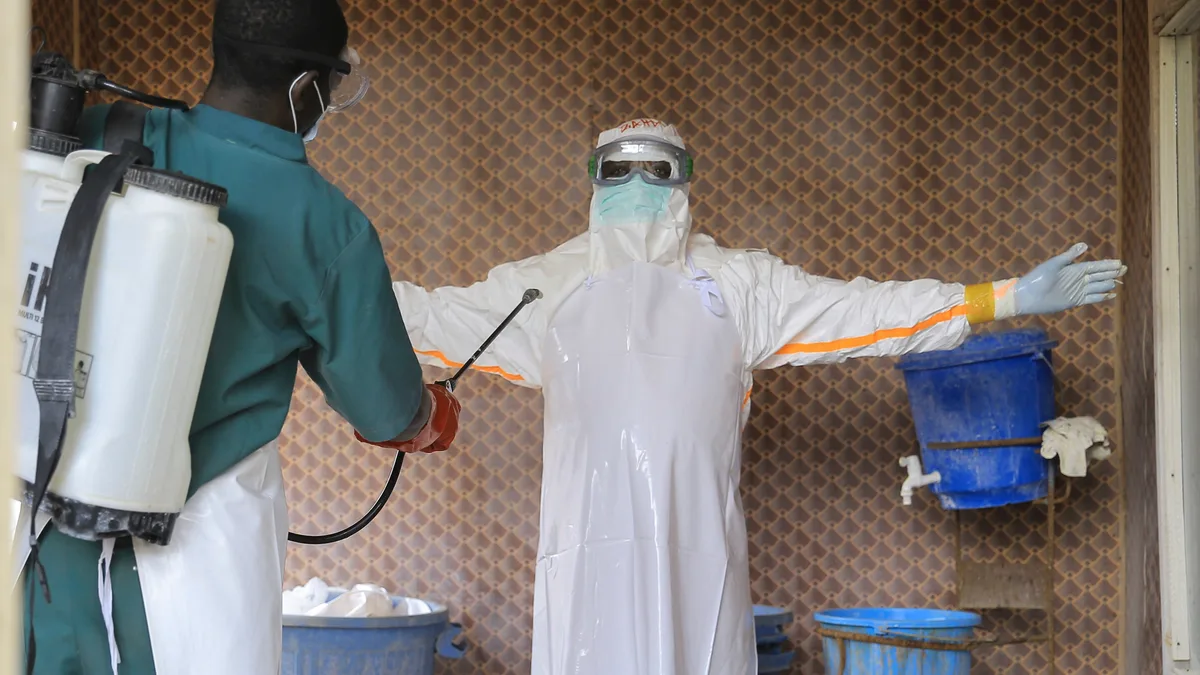
Ebola in Congo: WHO Plans Vaccine Trial by Late October
WHO's expert advisory group says a clinical trial of the Ervebo vaccine against the Bundibugyo strain will begin by the end of October, as cases in DR Congo pass 9,000.
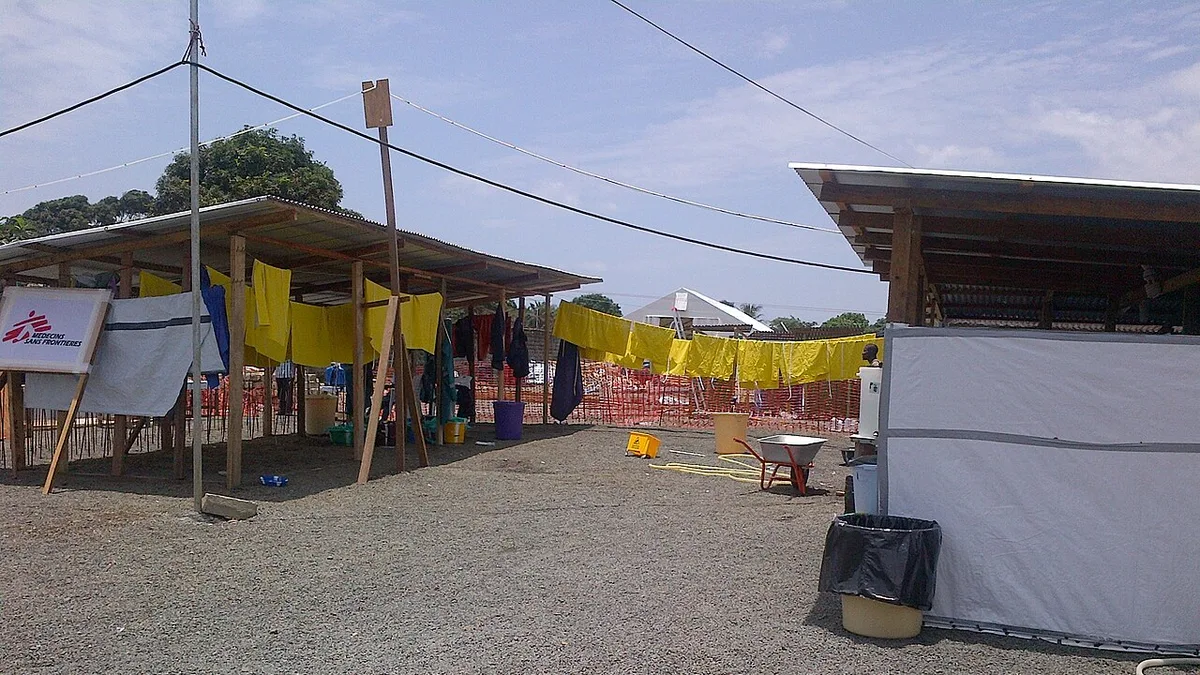
A clinical trial of an Ebola vaccine in the Democratic Republic of the Congo should begin before the end of October, experts from the World Health Organization (WHO) told reporters at a briefing on Tuesday, October 13. The trial is meant to show whether the Ervebo vaccine also protects against the Bundibugyo strain, which is behind the largest Ebola epidemic in the country’s history.
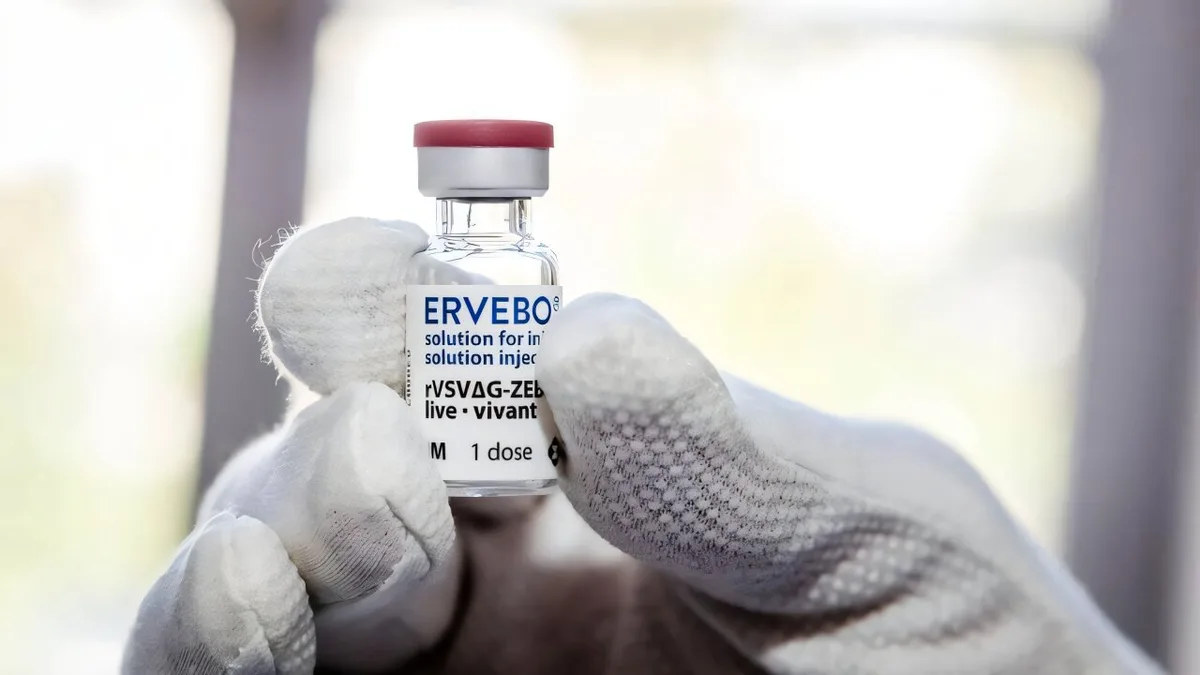
Anthony Scott, chair of WHO’s Strategic Advisory Group of Experts on Immunization (SAGE), said there are guarantees for a start: “We have firm assurances that… it should start before the end of this month.” No vaccine or treatment is currently approved for Bundibugyo, and Ervebo is licensed only for the more common Zaire strain.
What will the Tumaini trial test?
Tumaini is a framework that allows several vaccines to be tested within a single trial. Ervebo goes first. It is a vaccine made by Merck and approved in late 2019. Earlier studies found it 84 percent effective against Zaire infection within ten days of vaccination, but it has never been tested against Bundibugyo. According to SAGE, hints that it might offer cross-protection cannot substitute for evidence from standardized trials. Scott told reporters what the group expects from Tumaini:
“The trial will provide urgently needed data on the efficacy of the Ervebo vaccine against disease caused by Bundibugyo virus and help us make the policy decisions that we need.”
Two vaccines developed specifically for Bundibugyo are expected to join the same framework later. Both are now in earlier, smaller clinical trials: ChAdOx1, an adenovirus-vector vaccine from the University of Oxford, and an mRNA vaccine from the American company Moderna. A WHO technical advisory group will review data from those smaller trials. Kate O’Brien, director of WHO’s Department of Immunization, said the Oxford vaccine could move into a wider trial fairly quickly because doses are ready, provided the safety and immunogenicity data are “positive and reassuring.” She concluded: “Everything is in place for at least two products to move forward quickly.” Scott added that both vaccines are “advancing quickly through early clinical development.”
What has already started in Bunia?
The American outlet CIDRAP reports that health workers in Bunia, a city at the center of the outbreak in Ituri province, were the first to receive Ervebo doses over the weekend, in a vaccination effort that the outlet calls a trial. Ituri’s military governor, Major General Gaby Kasongo Mulumba, said on Saturday:
“Our shared duty is to protect life. Launching this vaccination for frontline staff in Ituri is not an arbitrary choice, because these workers are more exposed and deeply involved in the response.”
AFP, which covered the WHO briefing, describes it differently: Doctors Without Borders is running a study that collects data on the vaccine’s effectiveness among frontline health workers, which is not a full clinical trial, and the vaccine is offered to volunteers as a stopgap measure. WHO announced last month that 70,000 doses of Ervebo were headed for Congo, and the UN said 20,000 doses would go to first responders under a compassionate-use program. According to SAGE, the full Tumaini framework has yet to begin.
How big is the outbreak, and why do the numbers differ?
The epidemic was officially declared on May 15, 2026, although experts believe the virus had been circulating for weeks before that. According to figures relayed by AFP, cases have passed 9,000 and deaths 4,000. CIDRAP’s own page gives the latest numbers as 8,665 confirmed cases and 4,178 deaths, while its article text mentions older figures of 7,541 and 3,639. The outlets do not explain the gap. One figure may cover all cases and the other only confirmed ones, but that cannot be established from the available texts.
The fatality rate is about 48 percent. Children account for one in four cases and one in three deaths, and among children under five the fatality rate is 60 percent. According to CIDRAP, Bundibugyo has caused only three outbreaks since it was discovered in 2007, and this one is the second largest in Ebola’s history, after the West African epidemic of 2014-2016.
Scott named the obstacles:
“Key elements are insecurity and population displacement, which hinder access to care, disrupt surveillance and delay crucial research, including, from our perspective, research on vaccine trials.”
What does this not show yet?
There is currently no evidence that Ervebo protects against Bundibugyo. The 84 percent figure comes from studies of the Zaire strain and cannot be carried over to another strain, which is exactly why the trial is being run. Data on the Oxford and Moderna vaccines come from early, small trials, so nothing can yet be said about how well they work. The Doctors Without Borders study collects data but is not a full clinical trial and does not replace one. The start date is still an announcement: SAGE says “before the end of the month,” with no exact day and no number of participants.