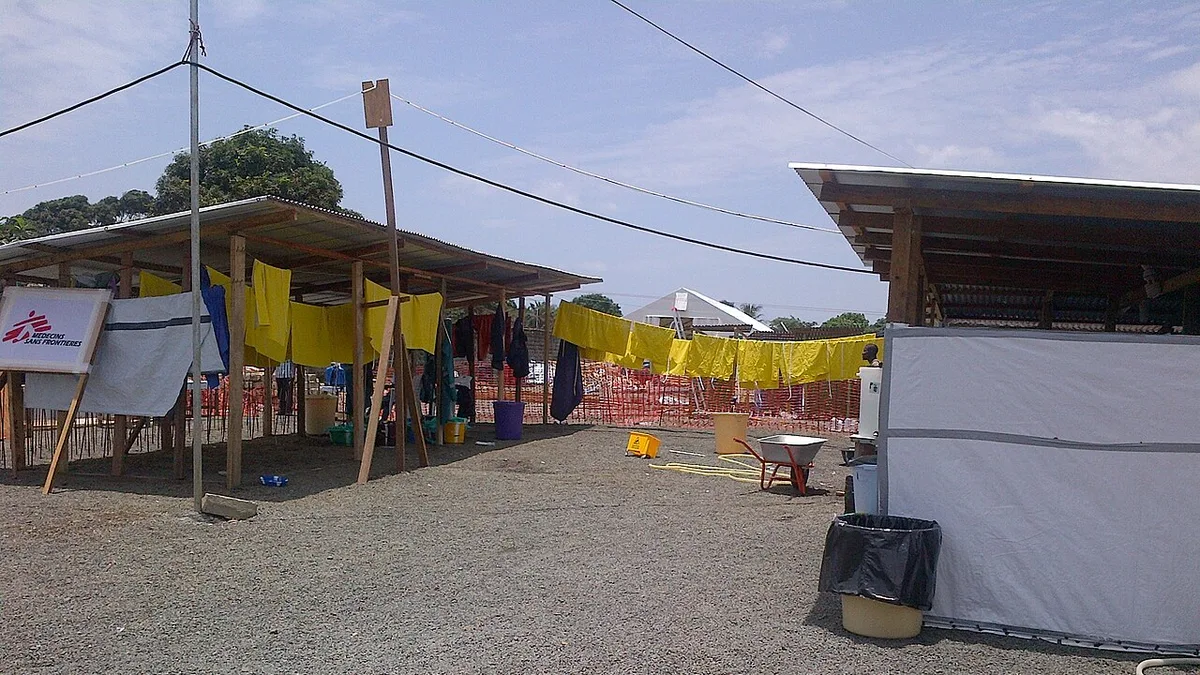
Ebola in Congo: 10,060 Confirmed Cases, No Vaccine
Congo's Health Ministry reports 10,060 confirmed cases, and about 80 percent of new ones do not come from traced contacts. African health ministers meet Wednesday.
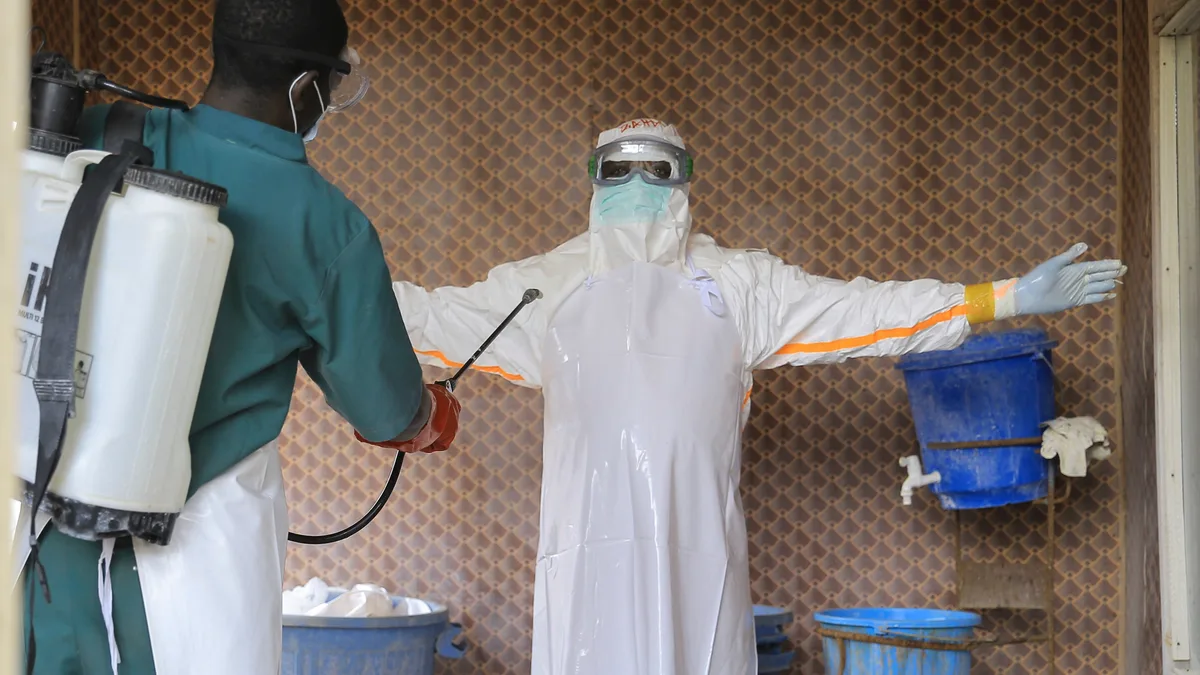
The Democratic Republic of Congo has passed 10,000 laboratory-confirmed Ebola cases, the first time since the outbreak was declared in May 2026. According to data from the Congolese Ministry of Health released Tuesday, October 27, 10,060 cases are confirmed, and nearly half of those infected have died. It is the deadliest Ebola outbreak in the country’s history.
The cause is a rare strain, the Bundibugyo virus, for which no approved vaccine or treatment exists. African health ministers hold an emergency virtual meeting on Wednesday, October 28, to coordinate a continent-wide response.
How fast is this outbreak growing?
This is the fastest-growing Ebola outbreak ever recorded. The comparison with West Africa in 2014-2016, the largest Ebola epidemic to date, shows the scale: that outbreak totaled more than 28,000 cases and more than 11,000 deaths, while the current one has had at least three times as many cases and deaths over the period since it was declared. The comparison covers the same time span from the declaration, not the final totals, because the outbreak in Congo is still going.
According to the World Health Organization, the virus spread unnoticed for months before the outbreak was declared. At least 2,600 patients have recovered in Congo. This week a video circulated of health workers in full protective gear dancing after the last two patients were discharged from a treatment center in Mongbvalu, in Ituri province. The Director-General of the World Health Organization, Dr. Tedros Adhanom Ghebreyesus, said of the video:
“The outbreak is far from over, but every life saved is worth celebrating.”
Why is there no vaccine for this strain?
Bundibugyo is a rare strain, and that is the problem. Vaccines and antibody therapies developed for the more common Ebola strain are not approved for this one, so health teams in Congo have no approved product for either protection or treatment.
Where has the virus spread?
The epicenter is Ituri province. When the outbreak was declared, cases were in three health zones; today they are in 66 zones across eight provinces of Congo.
Cases have been recorded in five countries:
- Congo,
- Uganda, which declared the end of its outbreak in July after 20 cases and currently has no active cases,
- France, with no active cases,
- Kenya, with nine cases as of October 21,
- Nigeria, with its first case reported on October 20.
The Nigerian patient is a foreign national who entered the country on October 5. He was first treated for malaria but did not recover, which raised doctors’ suspicion. Nigerian authorities are tracking 44 contacts, mostly health workers, along with the patient’s spouse, a Swiss citizen. The case is linked to a traveler from Uganda, but Uganda denies that it originated there.
After the Nigerian case, the Director-General of the Africa Centres for Disease Control and Prevention (Africa CDC), Dr. Jean Kaseya, wrote on X:
“Ebola now affects three regions of Africa.”
In a statement carried by the Associated Press, Kaseya said:
“Ebola crosses borders. Our response must be faster, with stronger coordination, greater solidarity and decisive political leadership.”
What makes the outbreak hard to control?
The most important indicator is where new cases come from. About 80 percent of new cases in Congo do not come from traced contacts, which means there are chains of transmission the health authorities do not know about. Africa CDC has said that at least 95 percent of cases must come from known contacts before an outbreak can be considered largely under control.
There is more: at least half of those who died were never admitted to a treatment center, and centers in some zones are overcrowded. Teams face both mistrust among the population and attacks:
- on Saturday a nurse was killed in Bafvasende in Copo province, and another health worker was seriously injured while they were responding to an Ebola alert,
- teams in the Nia Nia health zone in Ituri are on strike over allowances unpaid since the end of August,
- in some zones even basic items such as vehicles are missing.
A member of a team that buries Ebola victims in Ituri, Sefora Bgosi, told the Associated Press:
“Some people still seem not to understand the seriousness of the situation, even though they are directly exposed to the risk.”
She added that Ebola is “extremely dangerous and can be deadly.”
The damage is not limited to the infected. Maternal deaths have doubled in some provinces because pregnant women avoid hospitals out of fear of infection.
What do these numbers not show?
The figure of 10,060 covers only laboratory-confirmed cases. The fact that about 80 percent of new cases do not come from traced contacts indicates that chains of transmission exist outside the view of health services, so the full extent of the outbreak is not known. The share of deaths, nearly half, is also not final, because it is calculated among confirmed cases while the outbreak continues.