RIK sets 93 polling stations abroad, none in Geneva
At its 44th session the commission approved the Foreign Ministry's list by 28 of 29 votes, while some members say they never received registration figures by city.
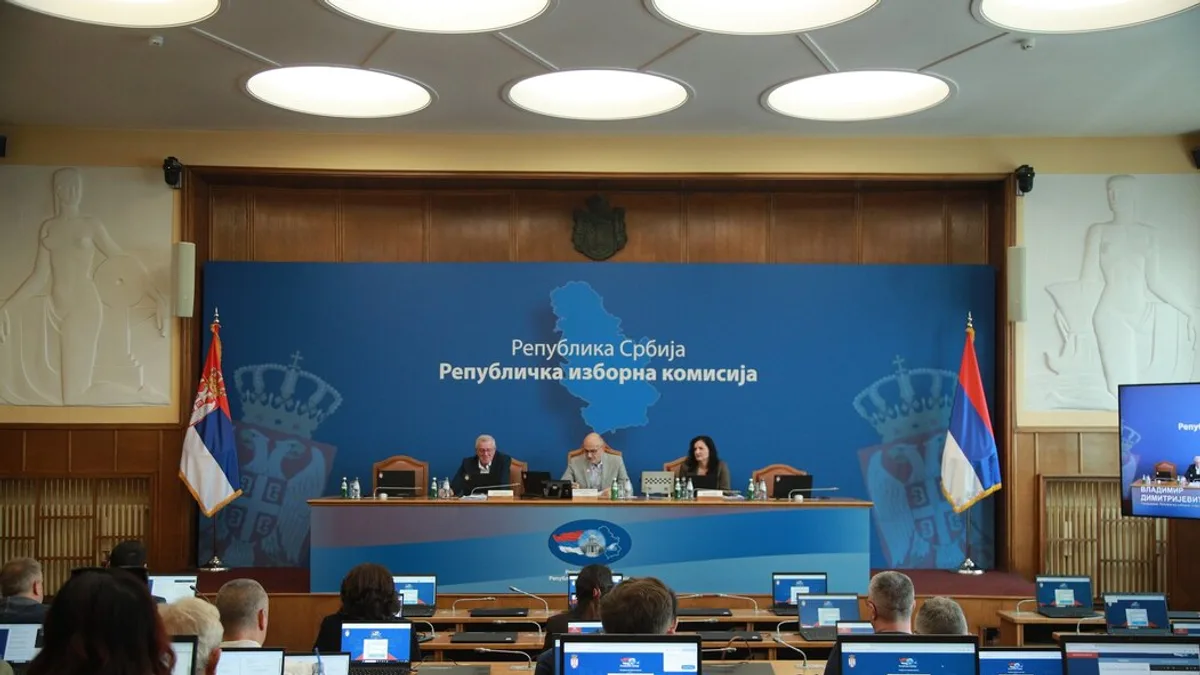
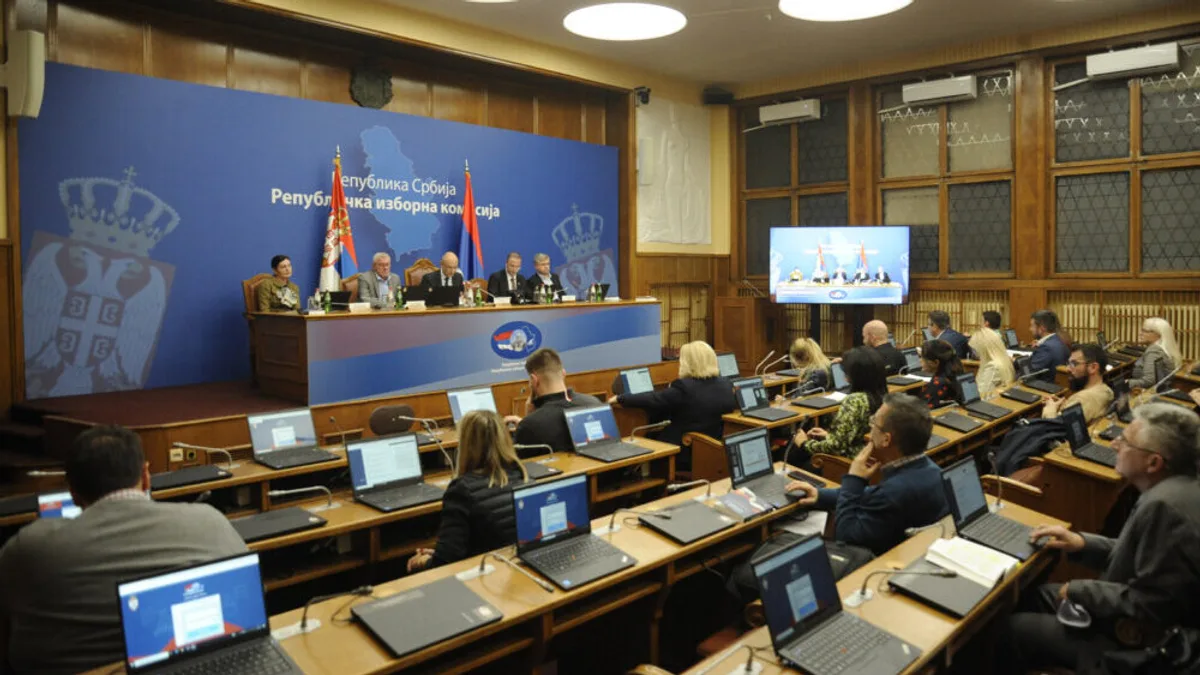
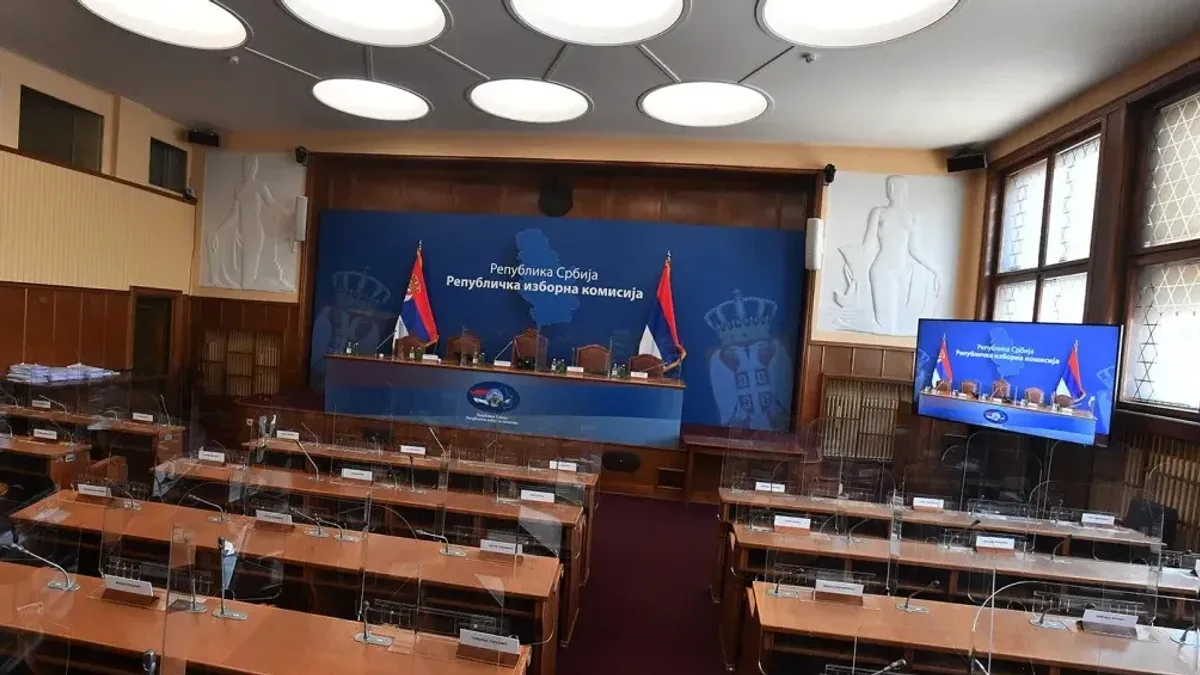
The Republic Electoral Commission (RIK) set 93 polling stations abroad overnight on October 4-5 for the parliamentary elections on October 25. The session began in the evening, and the decision passed after midnight, with 28 votes from 29 members present. We previously reported on the Foreign Ministry’s proposal of 90 stations. The ministry then added three more, explaining that new registrations had arrived since October 2.
How many polling stations are there abroad compared with 2023?
Commission chair Vladimir Dimitrijevic recalled that the previous elections had 81 polling stations abroad, which makes this year’s total 12 higher. He attributed the increase to the number of registered voters:
“We will now have, then, an increase to 93 polling stations because of the large number of registered voters.”
He added that more registered voters do not necessarily mean a proportional increase in stations. According to Danas, he also said at one point that more than 100,000 people had registered, while Masina reports that the figure is unofficially above 100,000. Deputy RIK member David Krstic said on October 4 that 80,800 requests had been processed so far and that, according to the Commission for the Revision of the Voter Register, about 100,000 are expected.
Dimitrijevic also assessed the ministry’s work:
“They had an enormous job ahead of them because of the number of registrations. I can say that there was no obstruction of registrations.”
In his words, some countries have fewer stations for security reasons, as the Foreign Ministry stated. In its explanation the ministry cited Article 9 of the Instruction on the Method of Determining Polling Stations and said the number of voters is not the only criterion:
“The use of the phrase ‘where possible’ clearly indicates that the number of voters is an important framework for decision-making, but not the only, absolute or automatic criterion for proposing and determining a polling station.”
Which cities were left without polling stations?
Commission member Ivan Sebek said that, compared with 2023, there are no polling stations in Geneva and Lugano in Switzerland, Vancouver, Bucharest, Bratislava, Sofia, Lebanon and the United Arab Emirates. Krstic added that there are none in Graz and Innsbruck either, even though, by his account, 300 citizens registered there, nor in Brisbane and Perth.
Sebek also claimed the commission did not receive what it had requested from the ministries:
“We still do not know how many citizens of Serbia, by city and country, have registered to vote.”
Krstic spoke about distances in Australia, where only Melbourne was designated:
“Melbourne has been designated in Australia, Perth and Brisbane have not, even though they are 2,700 and 1,350 kilometers away from that location.”
According to Krstic, registrations in Bosnia and Herzegovina are up 44 percent and in Germany 145 percent, with only two additional stations in Germany. Sebek said Bosnia and Herzegovina had 19 stations at the last elections and now has 30. Lawyer Vladimir Dragas concluded from this that outside Bosnia the number of stations abroad has actually shrunk, since Bosnia and Herzegovina has 11 more.
What do the commission members who backed the list say?
Commission member Marija Jovanovic said two new stations were opened in Australia, one each in Indonesia and Brazil, and additional ones in Germany, Austria and Spain. Some of her colleagues disagreed with her, but her answer is summed up in one statement:
“There are more voters, that is true, but more polling stations have been opened as well.”
Dusan Dincic was sharper toward the proposer, saying the Foreign Ministry “did this badly in technical, organizational and civic terms”. Commission member Marko Zivanovic calculated that 100,000 voters abroad make up 2.6 percent of the electorate.
ProGlas also condemned the ministry’s proposal, while the Academic Plenum said that, as it put it, the head of the “United Serbia” list, Aleksandar Vucic, had started stealing the elections through RIK. According to Danas, critics on the commission voted for the list because voting against would have meant that even the proposed stations would not be approved.