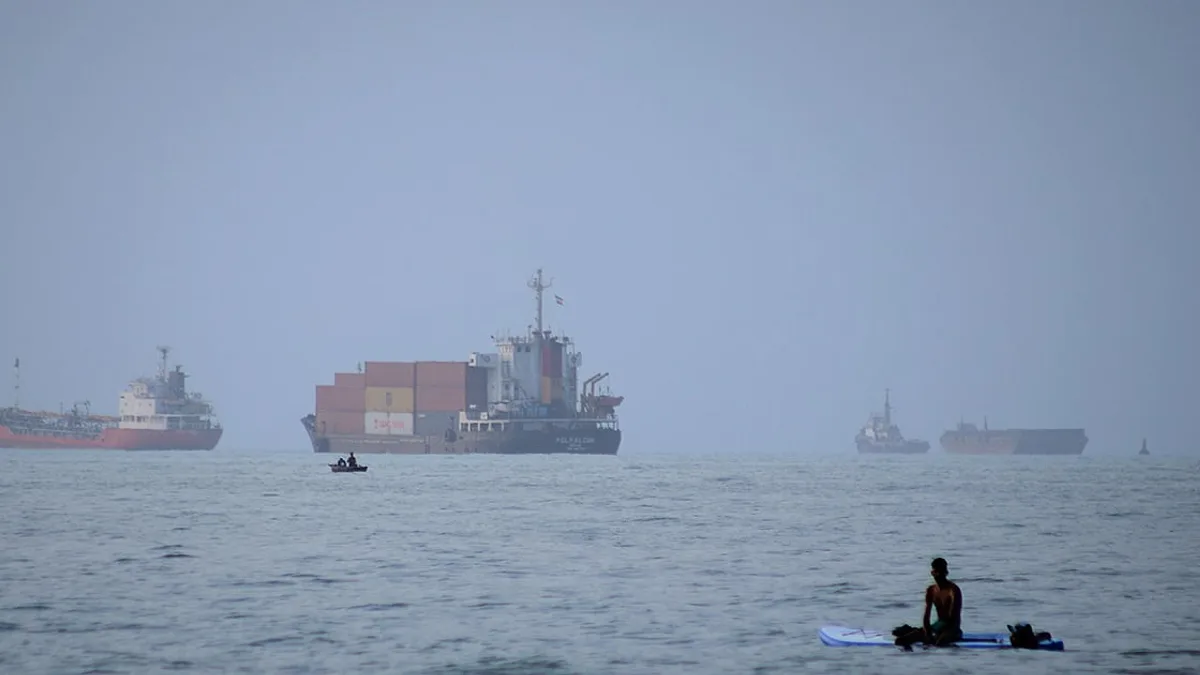
Two Tankers Hit in Strait of Hormuz as Iran Weighs Permits
UKMTO reports two tankers struck in separate incidents, Iran's parliament weighs shipping permits, and regional officials say Saudi Arabia is preparing a Yemen offensive.
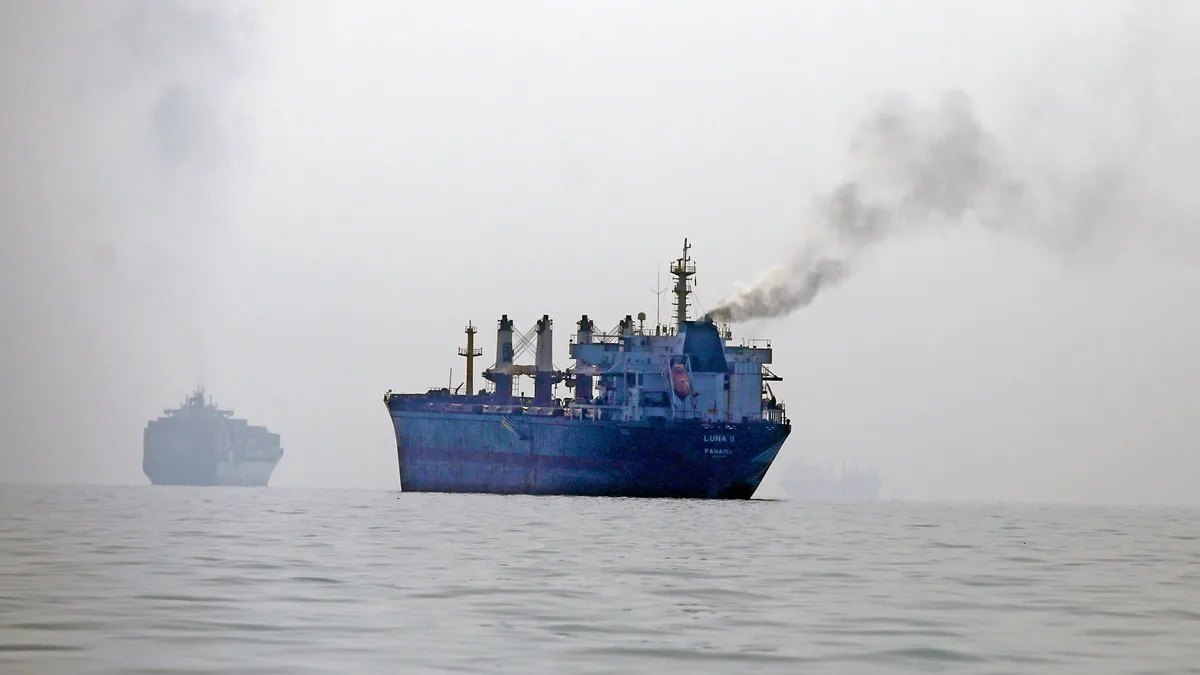
The British maritime trade monitor UKMTO reported on October 3 that two oil tankers in the Strait of Hormuz were hit by unidentified projectiles in two separate incidents, while Iran’s parliament is weighing a law that would put shipping through the strait under Tehran’s permits. For Serbia this is above all a fuel question: the European Commission says 12 EU member states have recorded record diesel prices, and the Strait of Hormuz is one of the most important sea routes by which oil reaches the world market.
What is known about the two tankers hit?
Al Jazeera carries the report of the incidents, citing UKMTO. The sources we read give no ship names, no exact time of the attacks, no damage assessment and no word on possible casualties. Nor has it been established who fired the projectiles, so at this point it cannot be said whether the same attacker was behind both.
It is also worth separating what the sources do not link. None of them claims that the incidents at sea are a result of Iran’s proposed law or accompany it. The two events are mentioned side by side here only because they happened on the same day, in the same strait, which carries both oil tankers and military vessels.
What would the Iranian law change for shipping?
Iran’s parliament is considering a bill that would tighten Tehran’s control over shipping through the Strait of Hormuz. According to the announcement by Iran’s National Security Committee, hostile and military vessels would be barred from passage, while all other vessels would have to obtain a permit from the Iranian authorities.
This is a proposal, not an adopted law. The sources do not say when parliament might vote, or how the term “hostile vessel” would be defined in the text of the bill.
Medina, the Houthis and a Saudi offensive
At the same time, power infrastructure in Medina, which also supplies electricity to the Prophet’s Mosque, was hit. The Saudi-led coalition blamed the Houthis for the attack, and they deny it. Qatar, Turkey, Lebanon and the Arab League condemned the attack. The Saudi coalition also said it had intercepted three ballistic missiles aimed at the south of the country.
Against that backdrop, regional and Western officials, who are not named in the sources, say Saudi Arabia is preparing an offensive against the Houthis in Yemen that could begin in the coming weeks. Fighting in Yemen is already under way, and it has continued near Taiz. Yemen’s armed forces claim they carried out 474 attacks in 24 hours and that 1,540 Houthi fighters were killed or wounded. That is one side’s claim and has not been independently confirmed, so it should be read as a statement about performance, not as a verified tally of the fighting. The same sources cannot establish how many of those attacks hit their targets, or how many civilians are among the casualties.
US forces around Iran
An unnamed US official said three aircraft carriers and two amphibious groups are being deployed around Iran, along with additional Patriot batteries in Saudi Arabia and Qatar. The arrival of the third carrier, which we reported earlier, thus gets a description of what accompanies it. Patriot batteries are being deployed, among other places, in Saudi Arabia, whose coalition said the same day that it had intercepted three ballistic missiles aimed at the south of the country.
What is happening to diesel prices in Europe?
On the energy market, the European Union is talking with members of the International Energy Agency about possibly releasing diesel from strategic reserves. The European Commission says 12 member states have recorded record prices for the fuel. How far the market would move if the reserves are opened and shipping through Hormuz comes under a permit regime, the sources do not estimate.