Rubio Says Hormuz Is Open, Guard Adviser Says It Is Closed
The US Secretary of State says in Athens that nearly as much oil moves through the Strait of Hormuz as before the war. An adviser to the Guard commander said the opposite the same day.
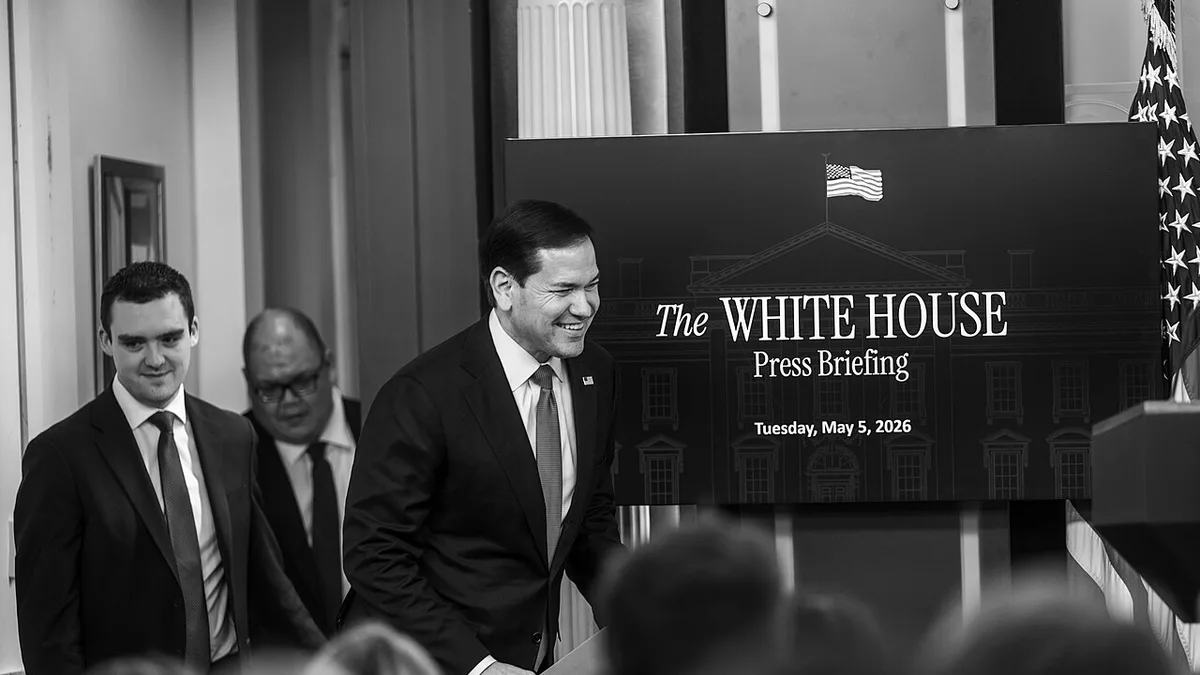
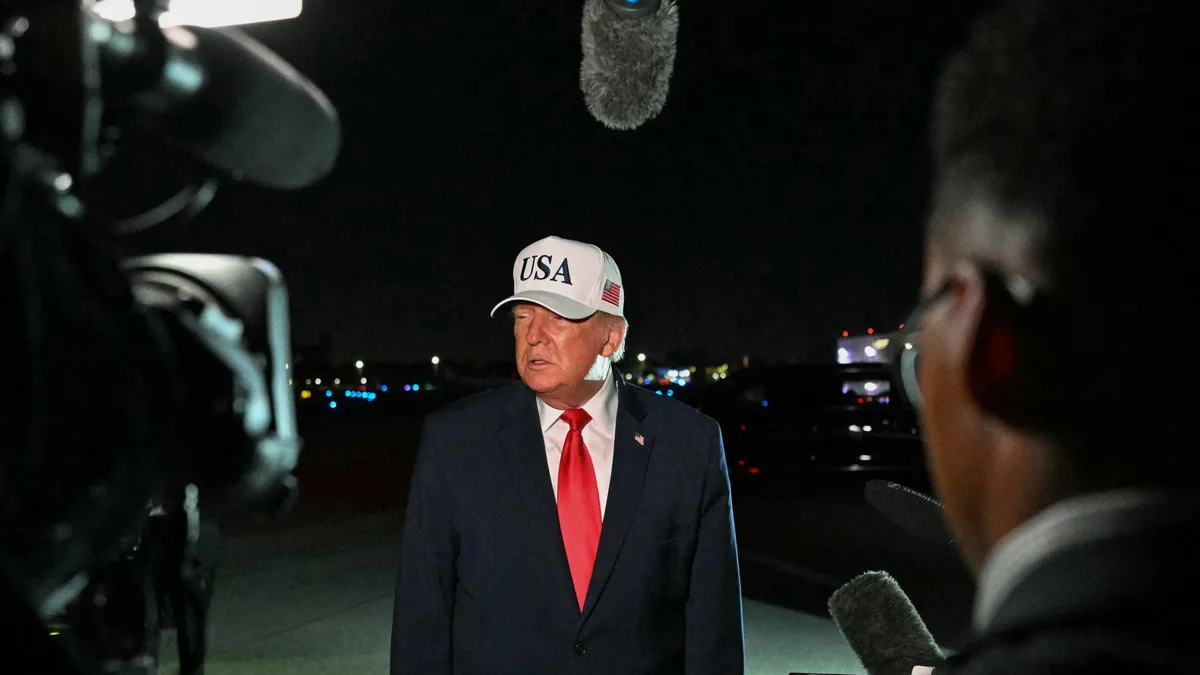
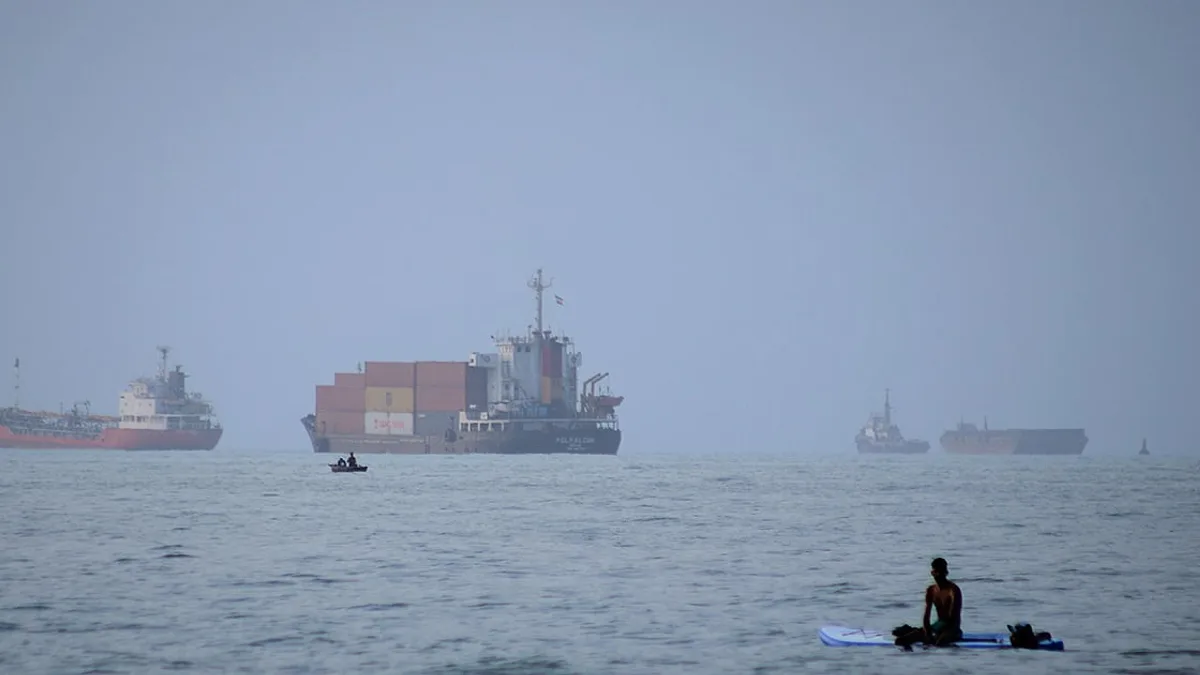
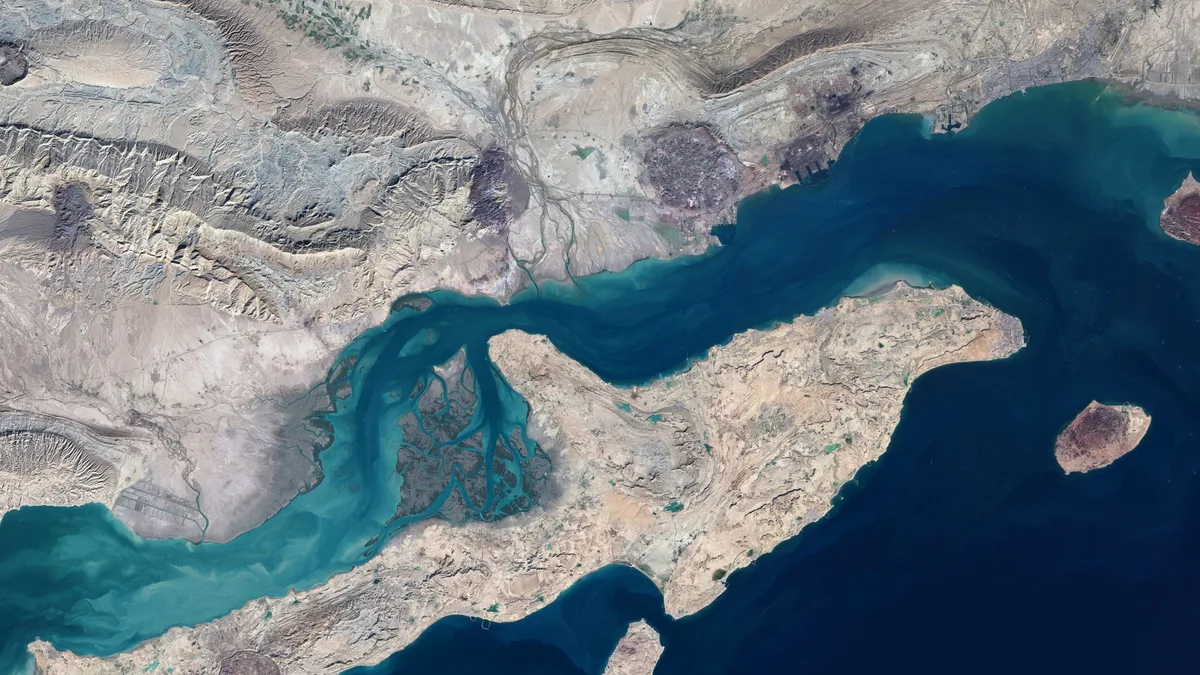
Two versions of the situation in the Strait of Hormuz arrived on Wednesday, October 7, 2026, a few hours apart, and they cannot both be right. US Secretary of State Marco Rubio told reporters in Athens that the strait is open and that Iran has lost control over it, while Mohamad Reza Nagdi, an adviser to the Revolutionary Guard’s commander in chief, said the passage is closed and will stay that way. For Serbia, which buys oil and fuel at world prices, this is not a distant dispute: what happens in the strait feeds into the price of oil, and that price applies to Serbian importers too.
What did Rubio say in Athens about the Strait of Hormuz?
Rubio spoke during a visit to Greece. He made his claim about shipping traffic in plain terms:
“The Strait of Hormuz is open. Right now almost as much oil is coming out of there as before this conflict began. So they have lost complete control over the strait.”
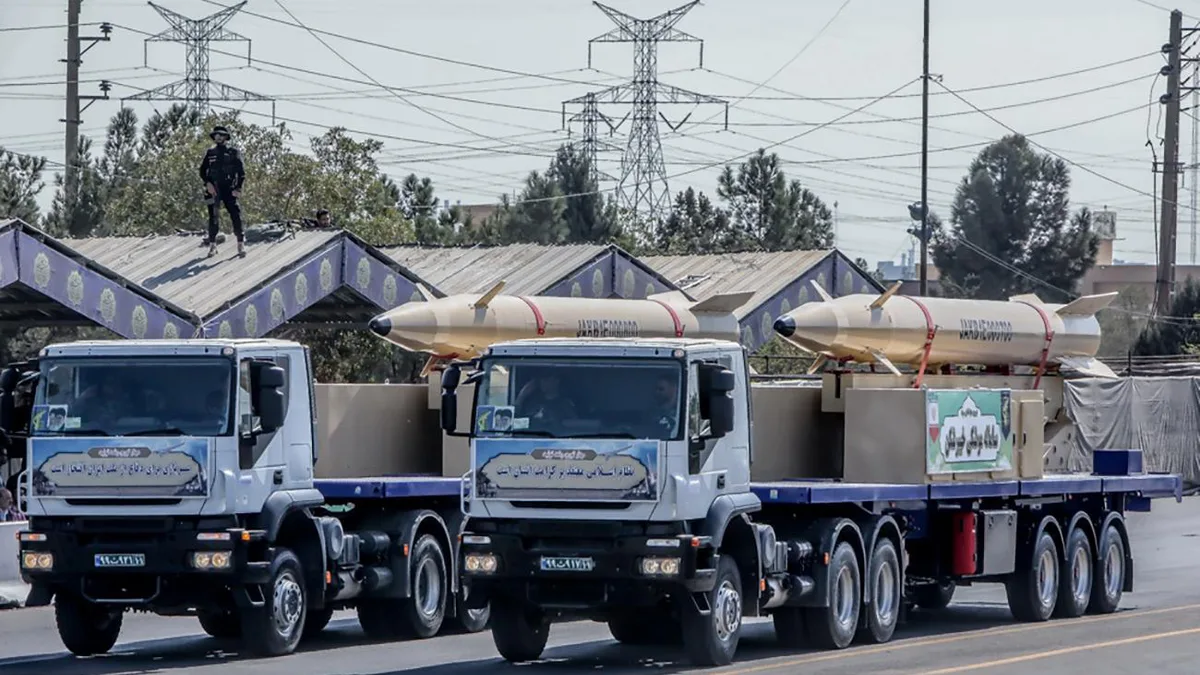
The quoted sentences contain no figures: no volume in barrels, no number of tankers. Rubio added that sanctions have pushed Iran into “total and complete free fall” and that its economy is approaching a condition few countries in the world have been in. In his words, every dollar the “radical Shiite clerics” receive goes to Hezbollah and Hamas. He also said Tehran had passed up several chances to reach a deal with the United States on its nuclear program, and that it had tried to build conventional capabilities “so massive that they would become untouchable.”
Washington’s condition has not changed, and Rubio repeated it:
“Iran cannot have a nuclear weapon, period, end of story. And anything they agree to accept, and that would be acceptable to the United States, has to be something that ensures Iran will never have a nuclear weapon.”
How does the Revolutionary Guard respond?
Nagdi claimed the opposite the same day. According to a translation published by Iran International, he said:
“The Strait of Hormuz is closed, and the armed forces have full control over it. This situation will last until Iran’s legitimate demands are met.”
Nagdi added that Iranian forces would also block routes through the strait that he described as unauthorized. According to the same report, his words came a few hours after Rubio’s statement.
Iranian army spokesman Mohamad Akraminija spoke the same day about future moves. He said the change in doctrine was accelerated under the late chief of the General Staff and was applied in the recent war, and then added: “If necessary, we will carry out preventive operations in the future in order to deter the enemy from any aggression or attack.”
Who can confirm what is actually happening in the strait?
For now, none of the reports reviewed offers an independent measurement. Rubio speaks of “almost as much” oil, Nagdi of “full control,” and both statements are political messages, not shipping data. The number of tankers that passed through the strait would answer the question better than either statement, but none of the reports gives it.
The gap also shows up in the economic argument. Rubio speaks of “free fall,” and Iran International notes that US President Donald Trump pointed on Tuesday to the resignation of Iran’s oil minister and to inflation he put at nearly 300 percent as proof of pressure on Tehran. Mohsen Paknejad, the former oil minister, replied that his resignation had nothing to do with it:
“My resignation has nothing to do with Trump’s claims, and oil production and exports continued even under sanctions and the blockade.”
State media reported on Sunday that Paknejad had left for “personal reasons,” and Hamid Bovard, head of the state-owned National Iranian Oil Company, became acting minister.
What else was said the same day?
Wednesday was also the third anniversary of the Hamas attack on Israel of October 7, 2023. Iran’s chief of the General Staff, Ali Abdolahi, issued a statement mentioning the killings of Qasem Soleimani, Hassan Nasrallah, Ismail Haniyeh and Yahya Sinwar, and described the attack in these words: “October 7 turned the defensive strategy of the Axis of Resistance into an offensive strategy to lawfully defend the Palestinian people and their land.” He added that the “defense of the Palestinian cause” would continue under the policy set by Supreme Leader Mojtaba Khamenei.
Iranian exiled prince Reza Pahlavi voiced solidarity with Israel and accused the Islamic Republic of arming Hamas. He concluded:
“A free Iran will be a friend and partner to Israel. Lasting peace and stability for both our peoples will come only with the fall of the Islamic Republic.”
Saudi Aramco, according to the Financial Times as relayed by the same newsroom, is finding it harder to decide on the future of its gas business because of the war with Iran, even though higher oil prices have brought record revenues. The report also says a stock market listing would be difficult while Saudi energy infrastructure remains exposed to possible new Iranian attacks.