Vance Wants Less Iran Enrichment, Tehran Won't Budge
The US vice president has demanded a significant cut in Iran's uranium enrichment capacity, while a senior Iranian official says recognition of that right is Tehran's red line.
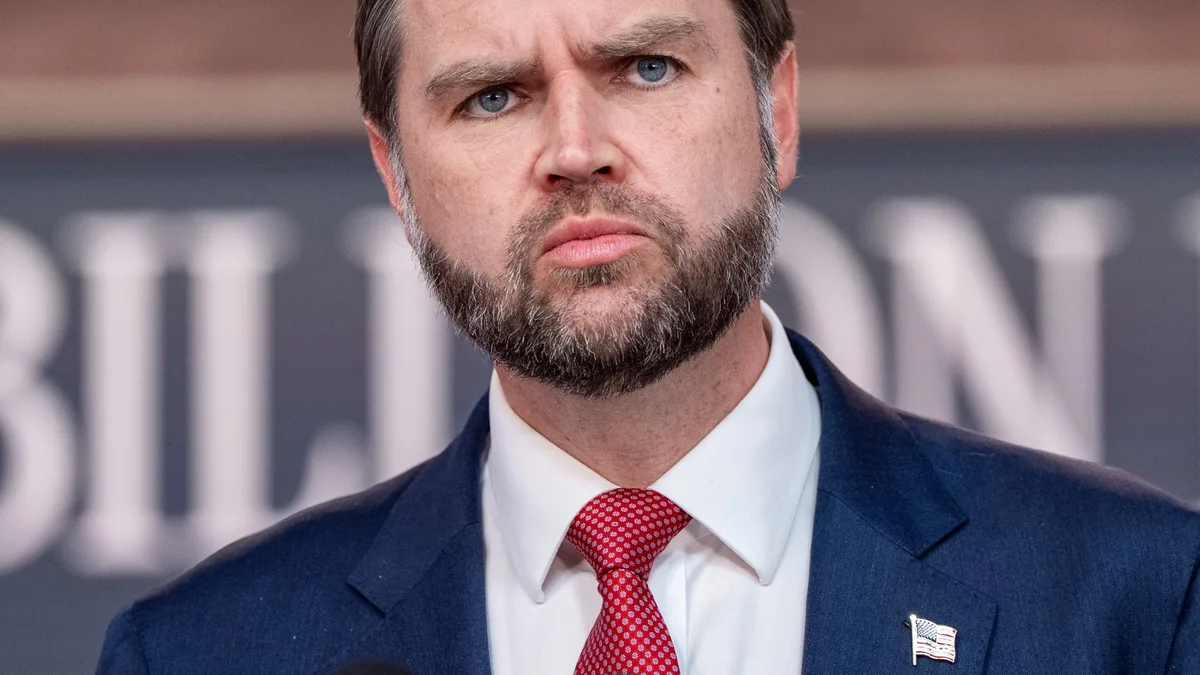
US Vice President JD Vance told Reuters that Iran must significantly reduce its uranium enrichment capacity as a condition for a deal to end the war. The same day, a senior Iranian official directly involved in indirect talks with Washington replied that recognition of Iran’s right to enrich is Tehran’s red line and that there will be no flexibility on it. The war between the US and Israel on one side and Iran on the other has entered its eighth month.
What exactly did Vance say about enrichment?
Vance told Reuters that Washington wants concrete steps, not assurances about future cutbacks. He framed the central question this way:
“If you don’t want a nuclear weapon, then why do you need 60 percent enriched fuel?”
And he added:
“If you want to show commitment to not building a nuclear weapon, don’t build highly enriched fuel. That’s a very basic threshold issue.”
According to the International Atomic Energy Agency, Iran has enriched uranium to 60 percent, while roughly 90 percent is considered necessary for a weapon. Al Jazeera reports that experts see the demand for a “significant” reduction as a possible softening of the earlier US position that Tehran must give up enrichment entirely. Vance’s quoted words do not show whether Washington would accept limited enrichment, so the question of which nuclear limits the US actually wants remains open.
Vance added that Washington is talking to Iranian President Masoud Pezeshkian and Foreign Minister Abbas Araghchi, but that negotiators are unclear how decisions are made in Iran and how far the authority of Iranian officials extends.
How did Tehran respond?
An unnamed Iranian official told Reuters, in a translation carried by Serbian broadcaster RTS, that the American demands run against Iran’s own:
“The Americans are free to make demands and bring proposals, but they run counter to Iran’s demands.”
The official stated explicitly that the red line is recognition of Iran’s right to enrich, not merely a reduction in capacity. He added that enrichment details can be discussed later, and that no talks on the nuclear program have yet been held with the US because Washington must first meet Tehran’s conditions.
President Pezeshkian called the negotiations futile, but that was not a reply to Vance’s interview: he said it on Monday, October 5, during a conversation with Armenia’s foreign minister. He accused the US of attacking Iran three times after talks. On October 4, Araghchi told foreign ambassadors in Tehran that the war can end only through “negotiations based on justice and fairness”, which Al Jazeera reads as a sign that room for a deal has not closed.
Secretary of State Marco Rubio spoke in a different tone in Athens the same day. He told reporters:
“Iran cannot have a nuclear weapon, simple, period, end of story.”
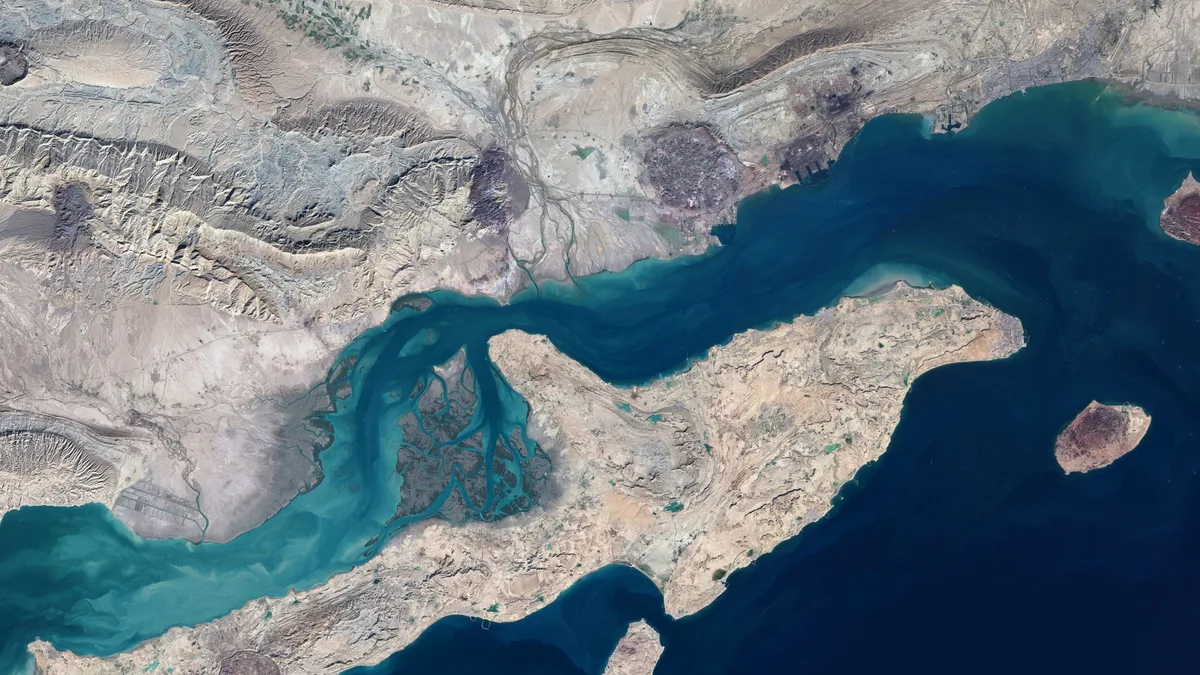
He also claimed that Iran has lost full control of the Strait of Hormuz and that its economy is in free fall. We have already covered that dispute, when Rubio said the strait was open and the Revolutionary Guard said it was closed.
What is happening in the Strait of Hormuz?
The picture on the water differs depending on the source. Tasnim, citing Iranian officials, reports that oil flow through the strait has dropped 60 percent over the past two days to about 3.8 million barrels per day, against a weekly average of about 9.3 million. Mohammadreza Naqdi, an adviser to the Revolutionary Guard commander, told the Fars agency that shipping lanes Iran considers illegal will soon be closed.
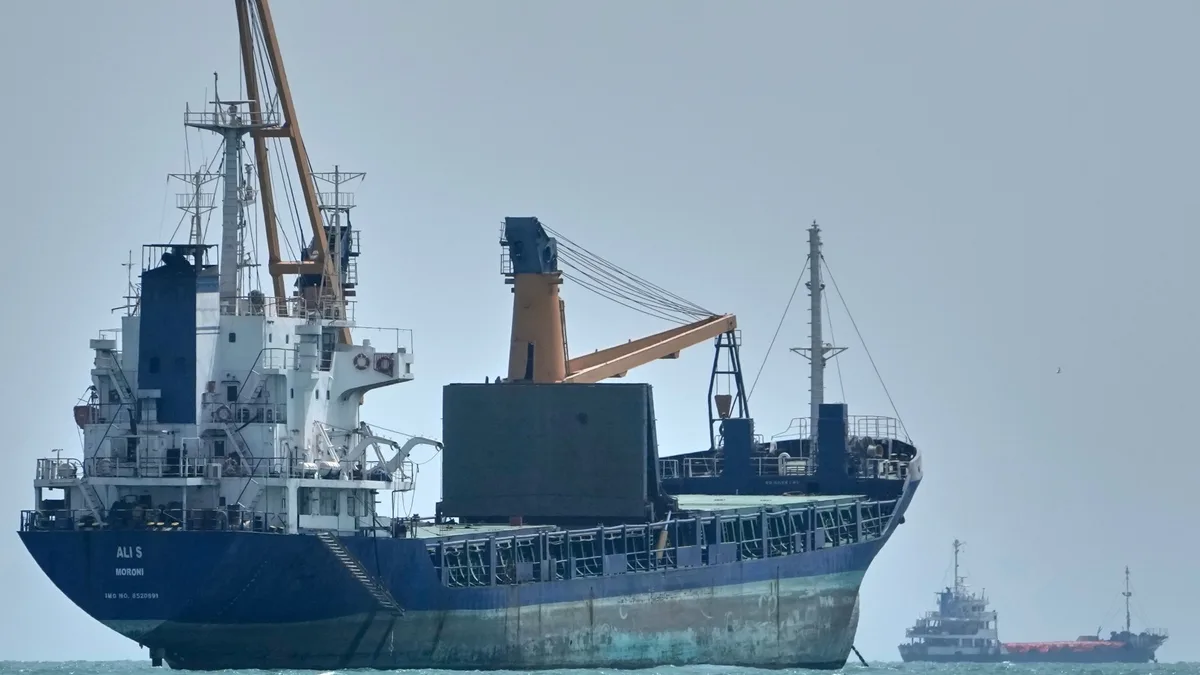
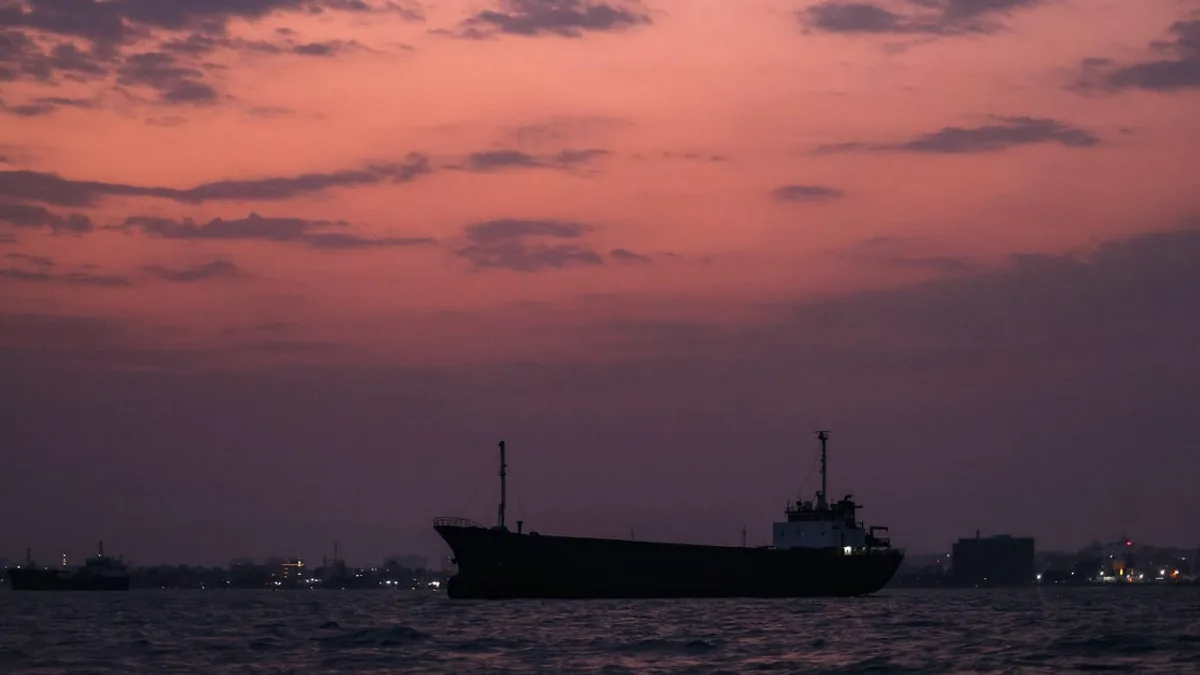
On the other side are figures cited by Al Jazeera: according to maritime analytics firm Kpler, flows of oil from the Gulf, excluding Iran, reached more than 81 percent of the prewar level in September. Attacks on ships continue all the same. Maritime security sources told Reuters there were at least 12 attacks on tankers between September 28 and October 5, the most in a single week since the war began. On Tuesday, a projectile of unknown origin injured 12 crew members on a Panama-flagged tanker, India’s Ministry of External Affairs said.
Accounts also differ on Houthi attacks on Saudi airports. Al Jazeera, citing Saudi Arabia’s General Authority of Civil Aviation, reports three civilians killed and 36 injured at the airports in Abha and Riyadh. RTS writes of strikes on the airports in Jizan and Najran, with three people lightly injured. These could be two separate attacks.
Why isn’t Tehran looking only at the nuclear question?
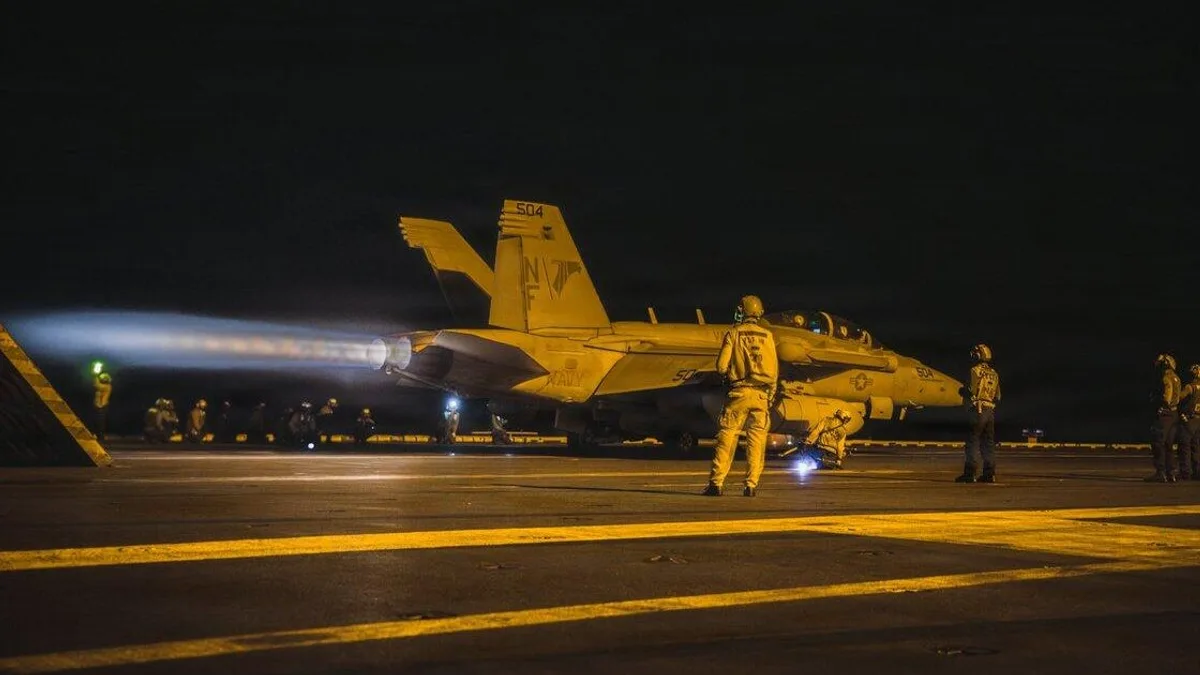
Simon Mabon, a professor of international relations at Lancaster University, told Al Jazeera that the prospect of Iran pursuing a nuclear weapon remains distant, and that Iranian negotiators care more about sanctions, frozen assets, the American naval blockade and the fighting across the region. In his analysis he said:
“The US is trying to soften its stance on the nuclear question with the Iranians, but for the Iranians, this isn’t the real sticking point. It’s the blockade, the lifting of sanctions, the unfreezing of assets and an end to conflicts across the region.”
Mabon also judged that American willingness to give ground on enrichment could mean Washington is unsure how far traffic through the strait has really recovered: “If the Americans were confident the strait was open properly, then they’d be pushing for a harder deal.”
Iran’s proposal from late September, presented during the UN General Assembly session in New York, called for a ceasefire on all fronts, an end to the American blockade and oil sanctions, the unfreezing of assets and the reopening of the strait after seven days, with talks on the nuclear program only after that. President Donald Trump rejected it. Vance said the US remains open to a deal, while Qatar continues to mediate, and Ibrahim Sultan al-Hashimi, media director at Qatar’s Ministry of Foreign Affairs, confirmed that contacts and visits are under way to continue the talks.