OPEC+ holds November quotas as Gulf pumps below target
Seven key OPEC+ members meet today to decide November output. Reuters sources say targets stay the same, with production still about 5 million barrels a day below February.

Seven key OPEC+ members meet today, Sunday, October 4, and according to sources cited by Reuters, November quotas will stay the same as for October. No official statement on the outcome had been published at the time of writing, so the decision counts as agreed in principle, not formally confirmed.
Around the table are Saudi Arabia, Russia, Iraq, Kuwait, Algeria, Kazakhstan and Oman. The Joint Ministerial Monitoring Committee (JMMC) also meets today, but it is advisory and does not decide quotas. Reuters reported on Wednesday, September 30, citing anonymous sources familiar with the plans, that targets would remain unchanged, and ahead of the meeting three sources close to the talks confirmed that a deal had been reached in principle.
Why do quotas matter so little while the war lasts?
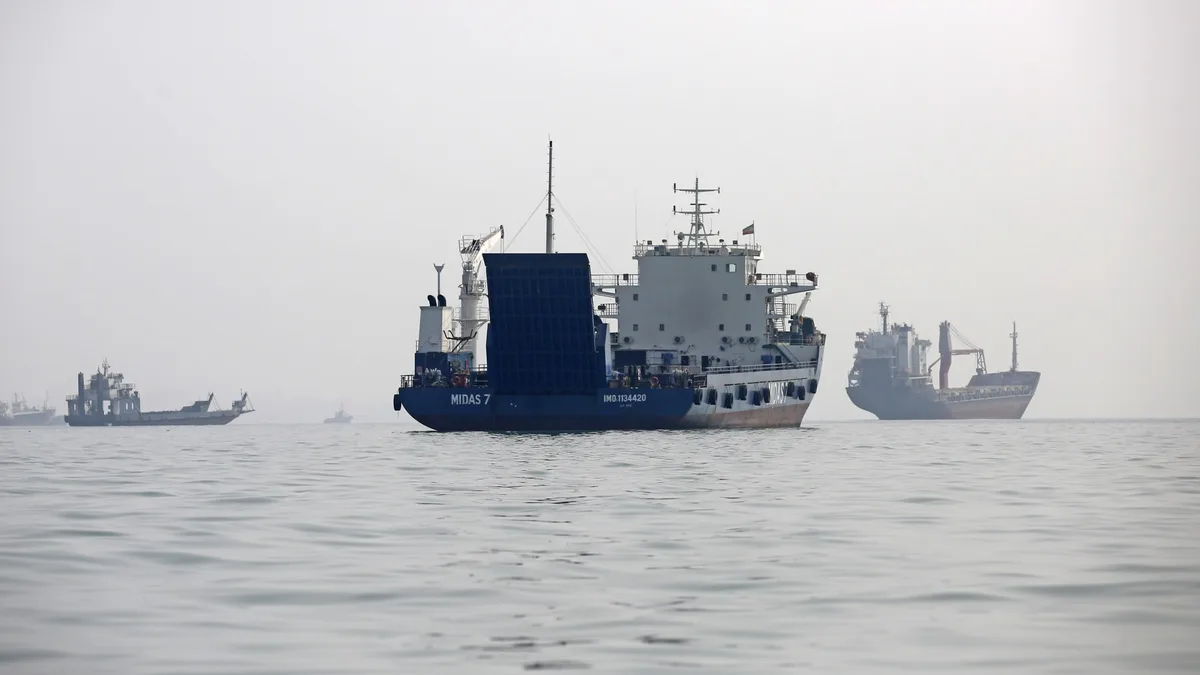
For most of 2026 the group raised its nominal targets after years of cuts, but most of those increases stayed on paper. The reason is the war waged by the US and Israel against Iran and the disrupted traffic through the Strait of Hormuz: exports from Gulf producers have run at 60 to 80% of their usual level in recent months, so most of them pump below their targets.
OPEC data show that the seven key members produced 25 million barrels a day in August, 630,000 barrels more than in July. That is still about 5 million barrels a day below the February level, before the war began. Across the whole alliance, the September Monthly Oil Market Report shows an average of 38.05 million barrels a day in August, up 300,000 from July. A Bloomberg survey, relayed by Oilprice, points the other way: it says OPEC output fell in August on lower Saudi production amid Houthi threats to ships in the Red Sea. The two figures measure different groups from different sources, so they should not be added together.
Stocks are thin. Commercial oil inventories in OECD countries fell by 26.4 million barrels in June, to 2.73 billion, which is 66.5 million barrels below the five-year average. We covered the G7 move to release up to 100 million barrels from reserves earlier.
Jorge Leon, an analyst at Rystad Energy, assessed how constrained the group is in a comment after the September meeting:
OPEC+ currently has very limited power over the physical oil market. The group can change production targets on paper, but it cannot guarantee that those barrels will be produced or that they will actually reach the market.
What is the wait for 2027?
In September the group finished unwinding the 1.65 million barrel a day cut agreed in 2023. A cut of about 2 million barrels a day remains in force, covering most members of the 21-country alliance and running until the end of 2026. Targets for October were also left unchanged, by a decision at the September 6 meeting.
The main obstacle is the review of production capacity. The group is waiting for a report from the consultancy DeGolyer and MacNaughton, which is meant to serve as the basis for negotiating baseline quotas for 2027. The war has delayed the review by making estimates of future output unreliable, and sources said earlier that changes to production before 2027 are unlikely.
Leon is just as precise here:
The focus is now shifting from monthly production adjustments to a much more significant debate about 2027.
OPEC expects oil demand to grow by about 600,000 barrels a day by the end of the year, to an average of 105.7 million, and by another 2.2 million barrels a day in 2027, mostly in non-OECD countries, above all China and India. Formal confirmation of the November targets is expected from today’s meeting, and the capacity report opens the negotiations on 2027.