Serbia Election: 15,539 Domestic, 637 Foreign Observers
The Republic Electoral Commission has published observer figures for the October 25 election: ODIHR is sending 291 observers, and Kreni-Promeni leads the domestic groups.
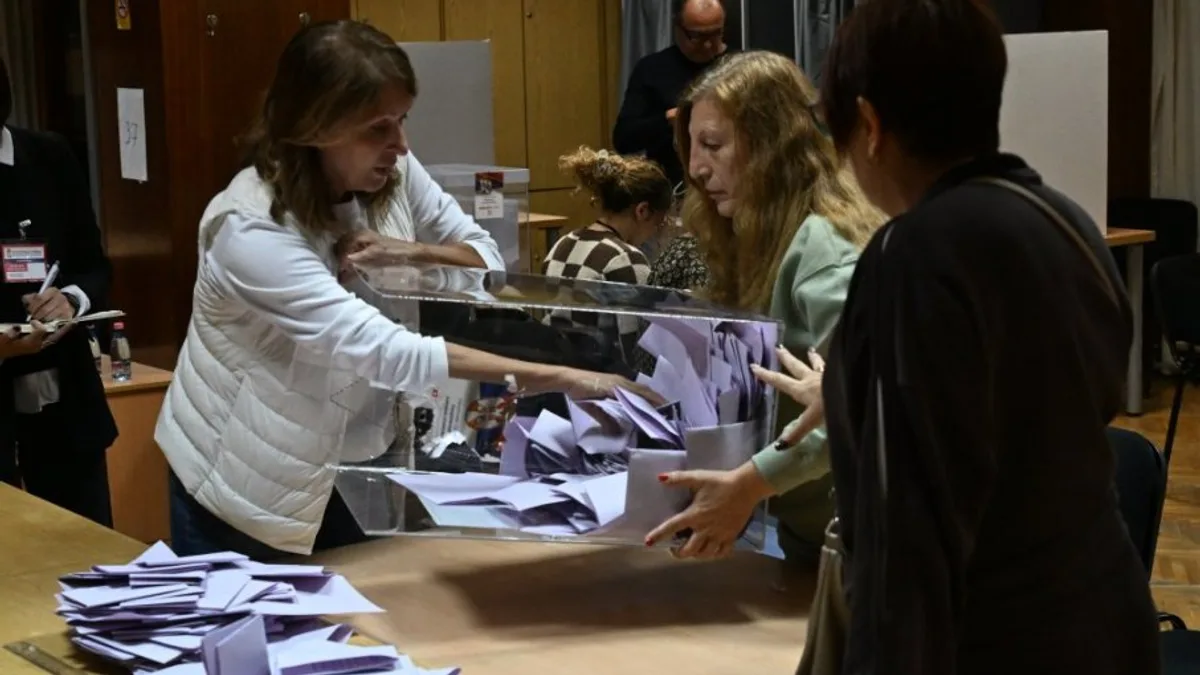
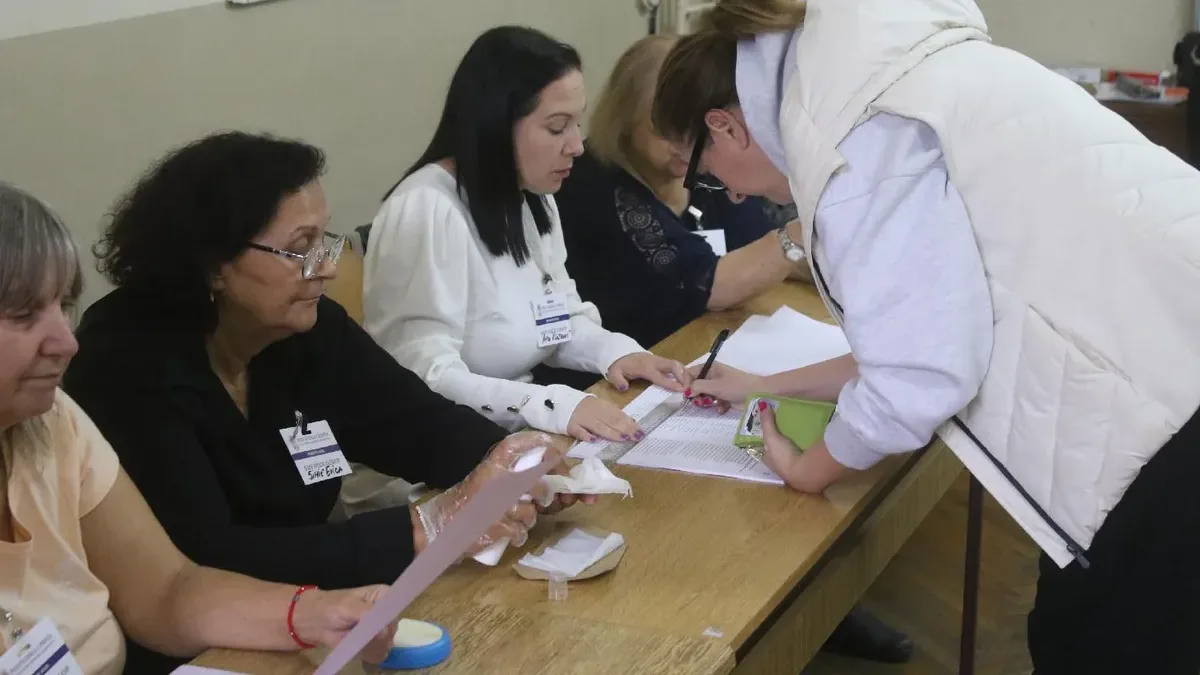
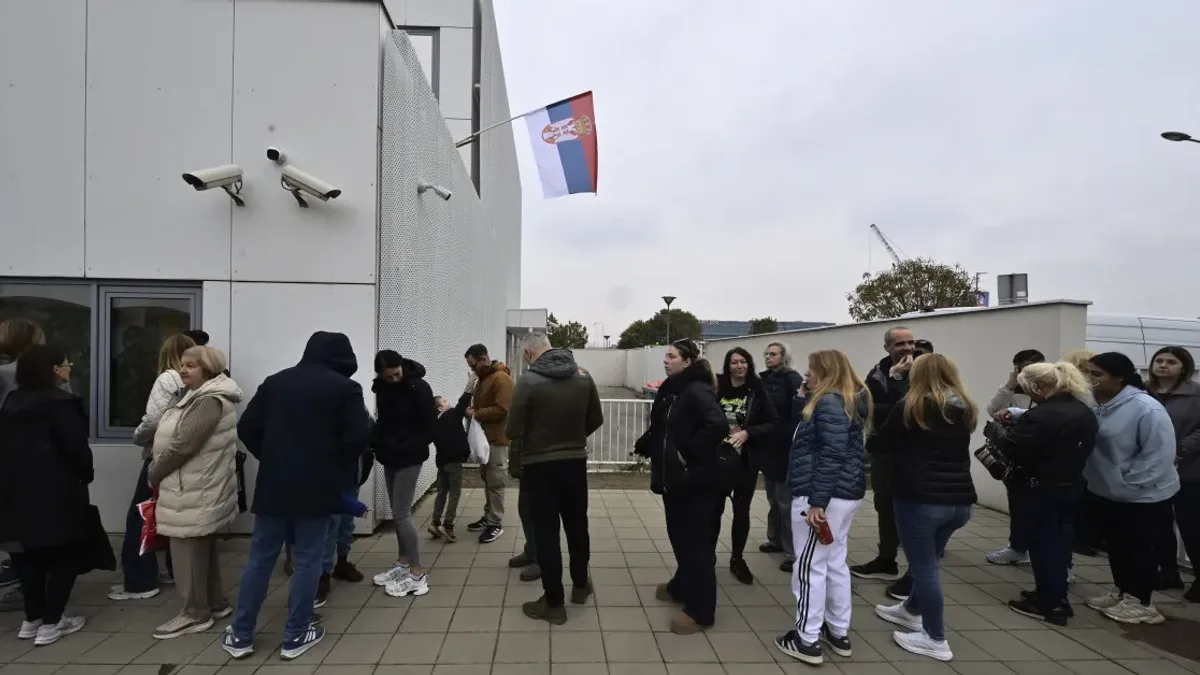
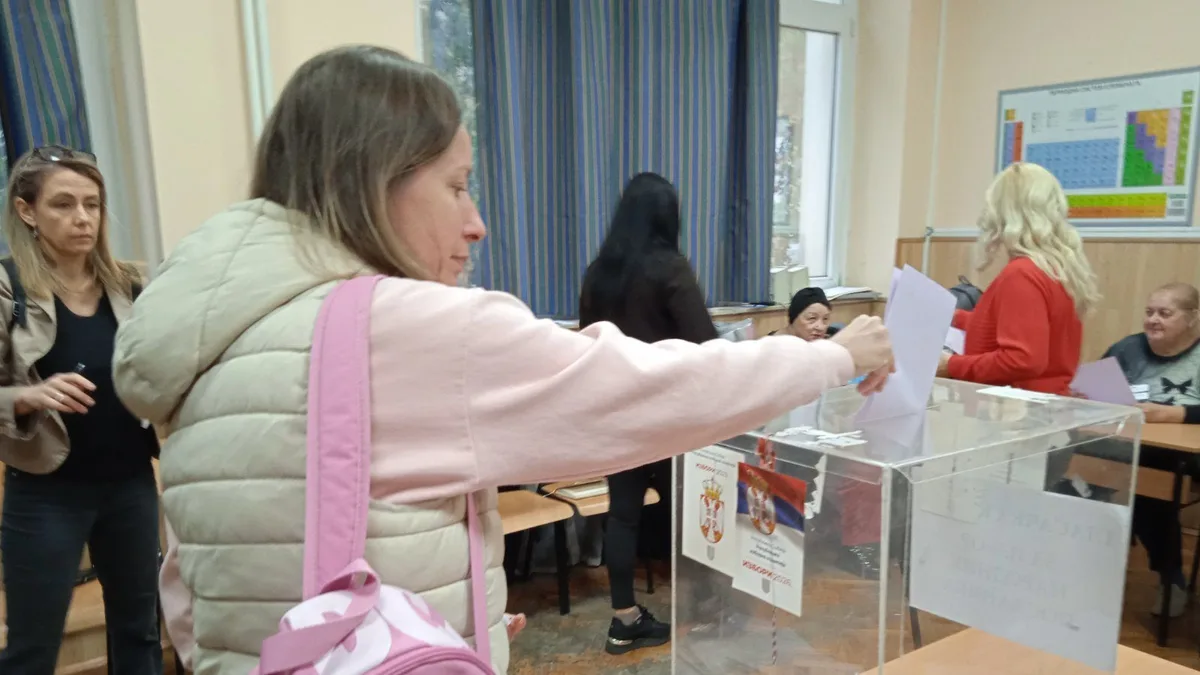
The Republic Electoral Commission (RIK) has published the full observer count for the snap parliamentary election on October 25. In total, 26 domestic associations have registered 15,539 observers, and 57 foreign organizations have registered 637 observers. Together that makes 16,176.
How many observers does each organization have?
Among domestic organizations, the movement Kreni-Promeni has the most observers with 2,414, followed closely by “MIM” with 2,407. Next come “IT blokada” (1,622), Crta (1,448), “Cuvari pobede” (1,314) and “Gradjani na strazi” (1,250).
Five groups registered between 500 and 1,000 observers: Cesid (945), “Erudita” (837), “Zapis” (702), “Narodna volja” (650) and “Nova generacija” (606). All other domestic organizations have fewer than 300 observers each. Crta is the same organization whose incident reports we have already covered.
Among foreign observers, the largest is the ODIHR mission with 291 observers. The OSCE Parliamentary Assembly has 80, the Parliamentary Assembly of the Council of Europe 24, and the European Parliament 15. Those four missions add up to 410 people, and the rest of the 637 are made up of embassies and other foreign organizations.
Why does the total differ between sources?
The portal Bilten reports 16,176 observers, citing the statistics on the RIK website, which matches the sum of domestic and foreign observers. The portal Bez cenzure, however, reports that RIK president Vladimir Dimitrijevic said 16,271 observers would monitor the election. The gap is 95 observers, and the available sources do not show where it comes from.
Who has RIK received?
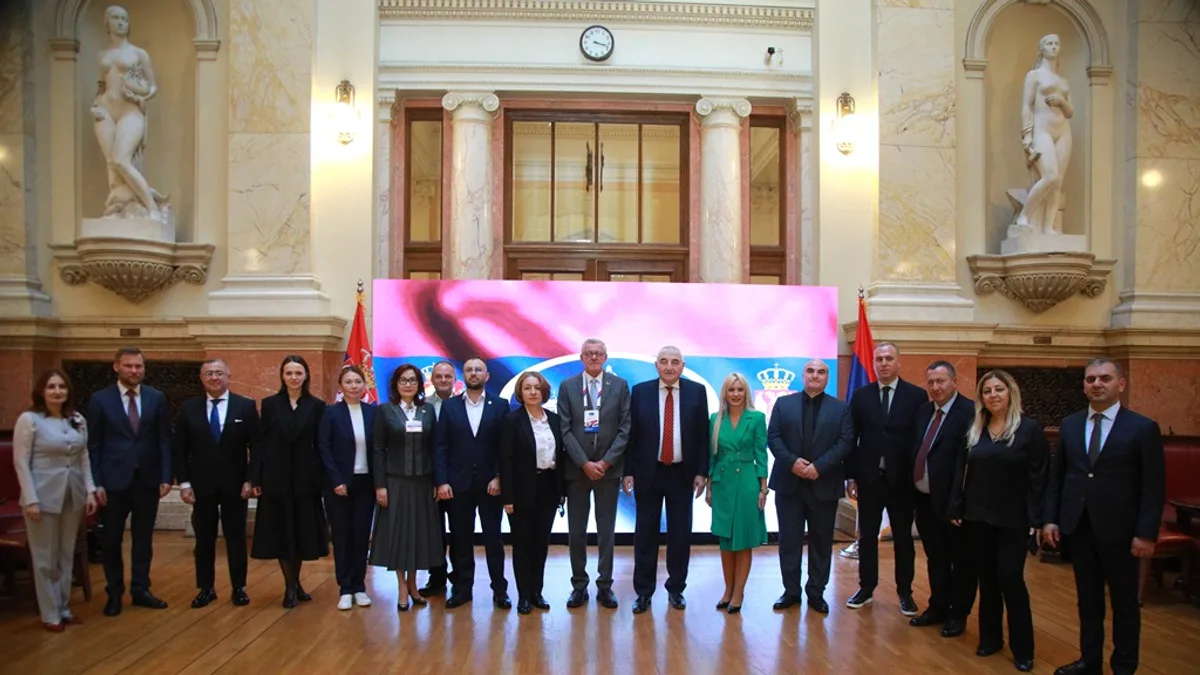
On Saturday, October 24, RIK members held separate meetings with delegations from the central election commissions of Georgia, Moldova and Azerbaijan, as well as with a delegation of the Inter-Parliamentary Assembly of the Commonwealth of Independent States. A joint plenary meeting of all the delegations followed.
A day earlier, on October 23, Dimitrijevic met a delegation of the Central Election Commission of the Russian Federation, according to Bez cenzure. It included Konstantin Mazurevski and Alena Bulgakova. The same RIK page, in a run of earlier announcements, also lists meetings with the ODIHR mission and with a delegation of the Central Election Commission of Kazakhstan.
What does a political scientist say about the foreign observers?
Political scientist Aleksandar Ivkovic wrote on X, as relayed by Bez cenzure, that besides observers from European and international institutions there are three groups of other foreign observers. The first consists of representatives of institutions from Russia, Azerbaijan, Georgia and other countries. The second is made up of organizations linked to the MAGA movement in the United States, and the third of organizations tied to parties in the Patriots for Europe group (Fidesz, ANO, Austrian Slobodari, Lega) and to Robert Fico’s SMER party.
According to Ivkovic, each of those missions has one or two members. He added that the observers also include “a couple of exotic election-observing organizations,” and gave as examples a bitcoin trade council from Michigan and a Polish space industry foundation.