Herceg Novi Reopens Prevlaka Border Dispute With Croatia
Herceg Novi's assembly debated the Prevlaka peninsula's status on August 31, though Montenegro's constitution leaves the Croatia border to state institutions, not local government.

The Herceg Novi municipal assembly opened a debate today, August 31, on the formal legal status of the Prevlaka peninsula and Cape Ostro, an issue that under Montenegro’s constitution falls to the state, not local government. The story is being watched from Belgrade too: the initiative came from the Council of Non-Governmental Organizations of Boka Kotorska, an umbrella network of pro-Serbian associations that includes Miholjski Zbor, and it follows the same pattern as the recent dispute over recognizing Kosovo in Zeta and Pljevlja, where local assemblies likewise took up a matter that belongs to Podgorica.
What Was Put on the Agenda
At the eleventh session of the Herceg Novi assembly, scheduled for August 31, an addition to the agenda was proposed by Democratic Montenegro, New Serbian Democracy and the Novska Lista. The item is titled “Information on the Formal Legal Status of the Prevlaka Peninsula.” Council members were notified of the addition on August 25, although assembly member Jovan Subotic claimed he had not been informed.
The material for the item was prepared by the Council of Non-Governmental Organizations of Boka Kotorska, chaired by Masan Ercegovic. The council brings together several pro-Serbian associations, among them Miholjski Zbor and a war veterans’ association, and the basis for the debate was a round table titled “Prevlaka, the Question of Sovereignty of Montenegro and Boka Kotorska,” held on June 20 in Herceg Novi. The proponents point to Yugoslav-era documents from 1951 and 1952 on maritime administrative boundaries, under which the jurisdiction of the South Adriatic Maritime Administration covered the area northwest of the Cape Ostro lighthouse. Montenegro and Croatia have applied an interim protocol on Prevlaka since 2002, pending a final border settlement.
Two Opposing Voices in the Chamber
Socialist People’s Party assembly member Bogdan Bozovic backed debating Prevlaka at the local level as well.
“We’ve had other initiatives at the local level where certain issues that could fall under state jurisdiction were also discussed. So in that sense, I don’t see how anything bad could come out of a debate focused solely on the Prevlaka issue,” Bozovic told Dan.
He added that similar statements come out of Zagreb too, so Podgorica should not be the only side without a clear position.
“We often hear comments and statements from Croatian officials, in which they state their position unambiguously. They also say the ship ‘Jadran’ can only belong to Croatia. And on the territorial issue they have clear positions. If we’re already getting such statements from Croatia, I don’t see what would be wrong with us having clear and precise positions of our own,” Bozovic said.
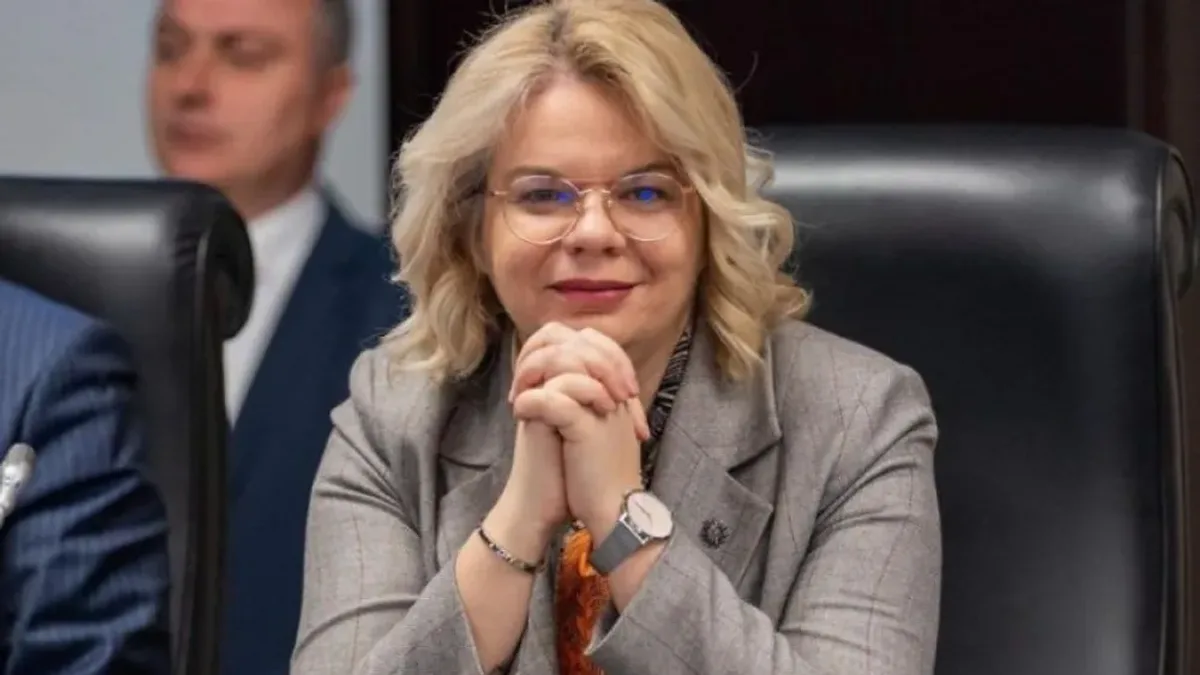
European Alliance assembly member Tanja Vujicic holds the opposite view. For her, Prevlaka is a matter of state borders and international law that the local assembly should not be opening.
“I don’t believe it’s justified for the Herceg Novi assembly to decide on or take positions on matters that fall under the exclusive jurisdiction of the state. That responsibility belongs to the government, the Ministry of Foreign Affairs and other state institutions,” Vujicic told Dan.
She also warned that a local-level debate could turn into a confrontation that damages Montenegro’s negotiating position.
“The fact is that the authorities want to divert attention from far more important issues, which is why they’re trying to put something outside our jurisdiction on the agenda. I don’t want Prevlaka to become anyone’s political payback against Croatia. If someone has a personal problem with Croatia, they shouldn’t try to settle it through the Herceg Novi assembly,” Vujicic said.
Podgorica’s Position: The State Sets the Border
The Ministry of Foreign Affairs has repeatedly stated that Montenegro’s positions on open issues with Croatia are set by the competent state institutions, and the president has described the Prevlaka question as a matter of state sovereignty and territorial integrity. By law, the local assembly may debate the topic and adopt conclusions, but it cannot set the state border or bind the government to any negotiating position.
A similar precedent already played out this summer, when assembly members in Pljevlja and Zeta debated recognizing Kosovo. Minister of Public Administration Maras Dukaj said at the time that decisions by local assemblies on such matters carry no weight at the state level, and warned that “the democracy of free opinion” should not come at the expense of good neighborly relations.
A Second Open Dispute: The Jadran
A separate dispute with Zagreb adds extra weight to the Prevlaka debate. Herceg Novi Mayor Stevan Katic signed a petition on August 26 demanding that the training ship Jadran remain Montenegrin property, a campaign already being run by Miholjski Zbor.
“I believe the ‘Jadran’ is a part of Boka’s identity, and I expect Montenegro will manage to keep it in the negotiations with Croatia,” Katic said when he signed the petition.
Croatia also claims the ship, so that dispute, like the Prevlaka question, is settled exclusively between Podgorica and Zagreb, not at the municipal level.
Deputy Prime Minister for Foreign and European Affairs Filip Ivanovic has announced that negotiations with Croatia will intensify through September, just as Podgorica tries to close its remaining chapters on the path to European Union membership. Whether the Herceg Novi debate over Prevlaka stays a political statement from a local assembly or ends up weighing on that process will become clear once the September talks get underway.