Croatia Blocks Montenegro's EU Transport Chapter
Zagreb has refused since July to let 26 other EU members close Montenegro's transport chapter. Podgorica still aims to join the Union by 2028, as 1990s wartime disputes remain unresolved.

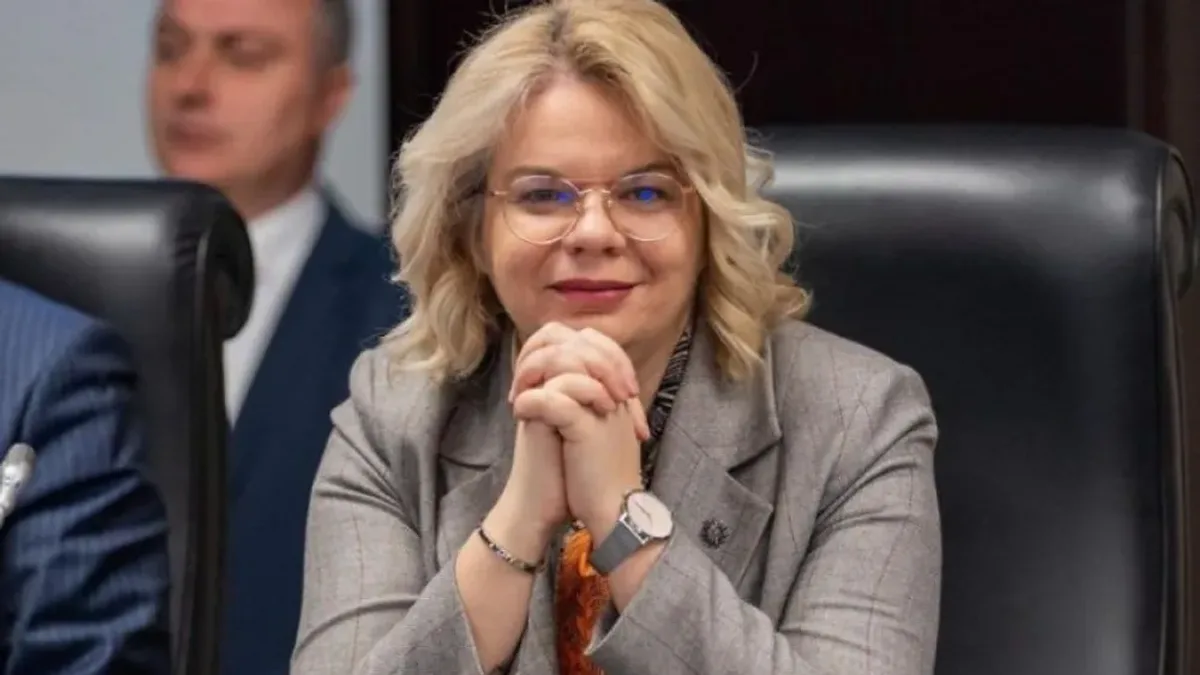
Croatia has blocked the closing of the EU accession chapter on transport policy with Montenegro since July, even though all 26 other member states are ready to approve it, the Brussels based outlet Euractiv reports. The dispute also touches Belgrade directly: among the issues raised this month in the European Parliament was the burial of convicted war criminal Ratko Mladic in Belgrade, after the speaker of Montenegro’s parliament sent condolences to his family, a move Croatian MEP Suncana Glavak has publicly demanded that Montenegro’s minister for European affairs explain.
Montenegro is the most advanced candidate for EU membership. It has provisionally closed 18 of the 33 negotiating chapters and is aiming to close the remaining fifteen by the end of this year, with a final goal of becoming a member in 2028. That deadline, according to Euractiv, carries broader political weight, since it is being watched as a test of whether the EU’s enlargement policy still works at all.
What Zagreb wants from Podgorica
Croatia has already agreed to close nearly every other chapter, but it has withheld consent on Chapter 14, covering transport policy, since July. Chapter 31, on foreign, security and defense policy, has been blocked for two years already, since 2024, after Zagreb called Montenegro’s parliament’s adoption of a resolution on the Jasenovac genocide a provocation.
Croatia’s demands go beyond the accession procedure itself. Zagreb is asking Podgorica to continue the search for 14 people still missing from the 1991 to 1995 Homeland War, to hold talks on the maritime border between the two countries, to compensate former camp detainees, to prosecute war crimes, to resolve Croatian citizens’ property claims, to preserve the memorial plaque in Morinj, and to secure the return of the training ship Jadran, which once sailed under the Yugoslav flag. Croatia’s foreign ministry said in late July that “only a few months remain until the end of 2026” and again called on Podgorica for more intensive dialogue.
How Podgorica is responding
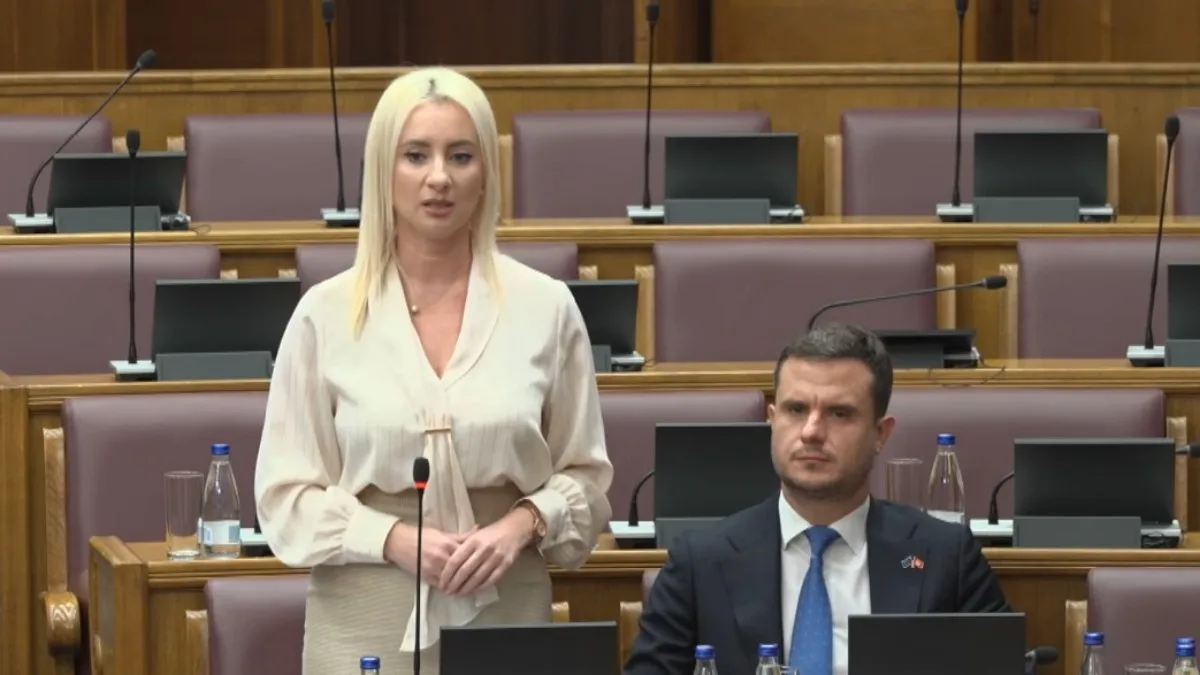
Montenegro’s minister for European affairs, Maida Gorcevic, says cooperation with Zagreb is moving forward, if slowly. “This is a process that is ongoing. Some of these things cannot be resolved overnight,” she told Euractiv, adding that the foreign ministries of the two countries are in constant contact and that numerous commissions are working through the open issues. “I don’t see Croatia blocking us, because it hasn’t done so until now,” Gorcevic said.
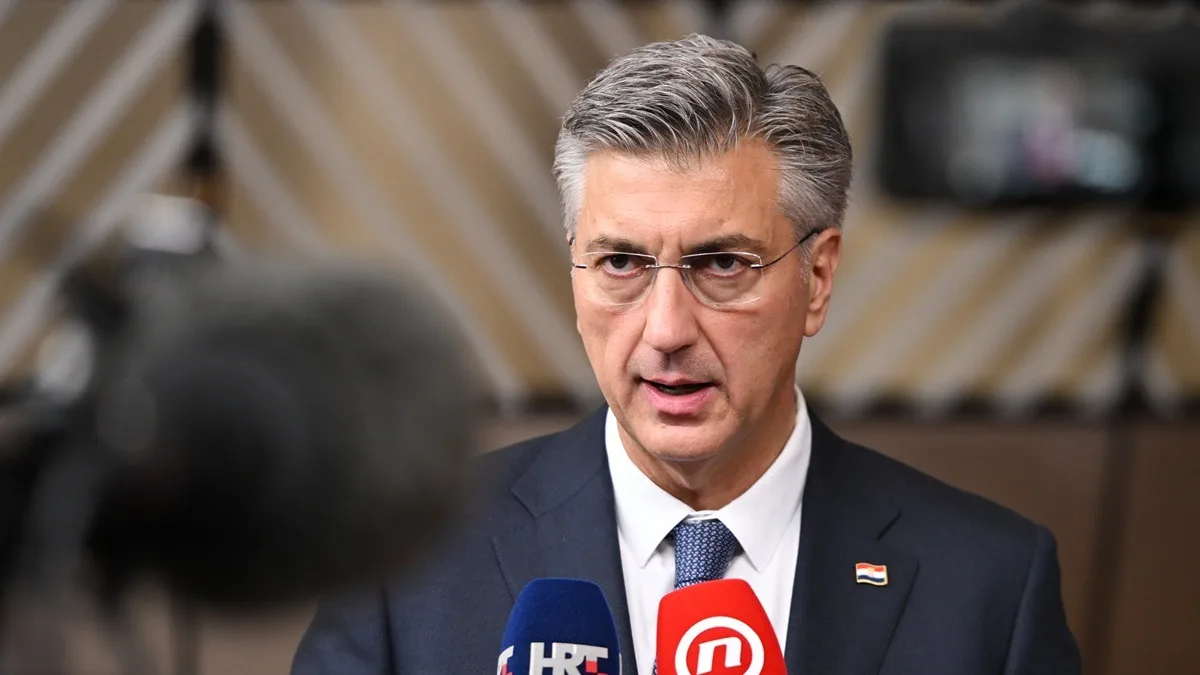
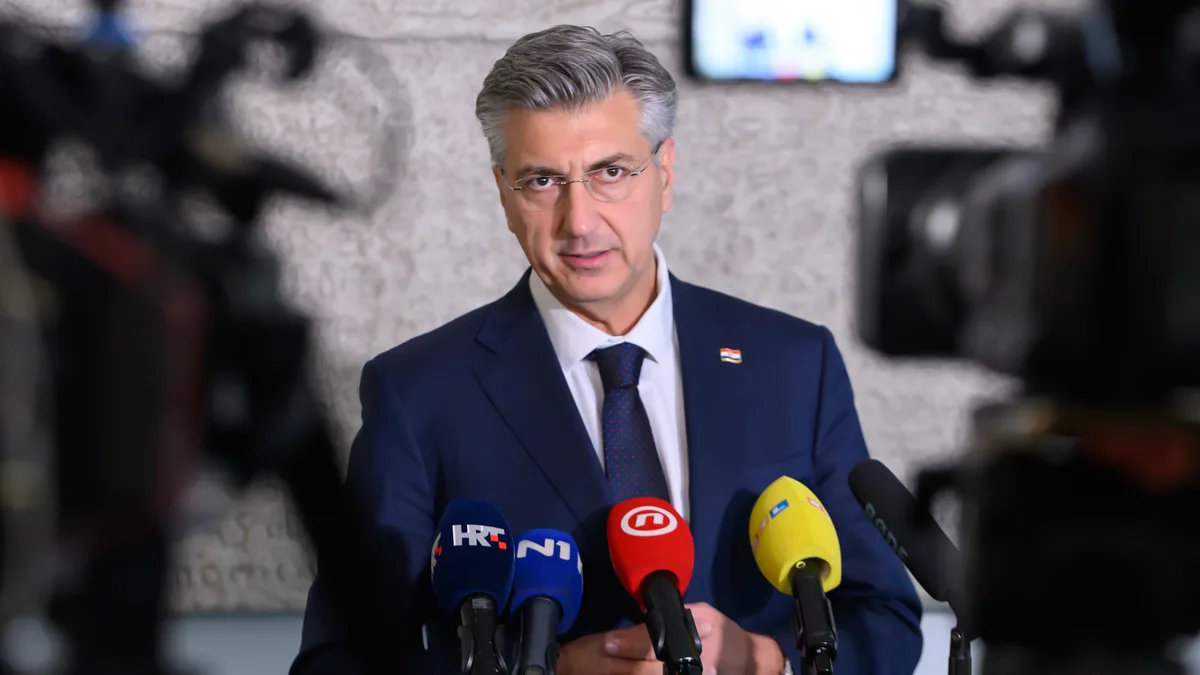
A spokesperson for Croatia’s government, meanwhile, said Montenegro is “well aware of Croatia’s expectations” and that resolving the remaining issues “should have been finished long ago.” European Commission spokesperson Guillaume Mercier, asked about relations between Zagreb and Podgorica, noted that EU Enlargement Commissioner Marta Kos, during a visit to Croatia in late August, stressed that building good relations between member states and future members remains an integral part of the accession process, but that the process must still be grounded in candidates’ concrete results on reforms.
A precedent worrying the whole region
Using unresolved bilateral disputes as leverage in the enlargement process is nothing new for the EU. North Macedonia was held hostage for more than a decade by its name dispute with Greece, only to face a Bulgarian veto the moment that dispute was resolved, one that continues to this day. Croatia itself went through something similar: Slovenia blocked its accession talks for nearly a year over a border dispute in the Bay of Piran, a standoff that was only lifted after a direct political agreement between Zagreb and Ljubljana. That precedent was invoked in Brussels by Slovenian MEP Marjan Sarec, his country’s former prime minister, who organized a discussion there on Montenegro’s position.
“I hope Montenegro does not become a victim of bilateral issues,” Sarec said, warning that unresolved questions from the 1990s should not be allowed to become a brake in the final stage of the accession process, even if Podgorica fulfills every reform obligation under the European agenda.
For now, neither side has named a specific date for when Chapter 14 might be unblocked. Podgorica is sticking to its plan to close all remaining negotiating chapters by the end of the year, while Zagreb keeps repeating that resolving open issues cannot be rushed. Whether those two timelines will meet before 2026 ends depends on upcoming meetings of the bilateral commissions, whose dates have not yet been officially announced.